


Maintaining your fence in 2026 requires adapting your routine to specific seasonal weather changes. The core strategy involves inspecting for damage after winter thaws, applying sealants during dry spring days, and clearing debris before autumn rains. This targeted approach prevents wood rot, stops metal rust, and extends the lifespan of your property line.
We will outline exactly when and how to perform these upkeep tasks. With years of hands-on experience installing and repairing residential boundaries, our team knows exactly what weather conditions cause the most damage. Our expertise in cedar wood fences ensures you can rely on this guide to protect your investment year-round.
How Do Weather Changes Affect Different Fencing Materials?
Temperature fluctuations and moisture levels impact every material differently. Wood expands and contracts, metal oxidizes, and vinyl can become brittle in extreme cold. Understanding these reactions helps you plan your maintenance calendar effectively and prevents surprise structural failures.
Spring Moisture and Wood Rot
Spring brings heavy rain that saturates wooden pickets and posts. If water penetrates the surface, it creates an environment where mold and rot thrive. You must check the base of your posts where they meet the ground, as this area holds the most moisture, which is why proper fence moisture and post protection guide is important.
Bonus Tip: Press a screwdriver gently into the base of your wooden posts after a heavy rain. If the wood feels soft or spongy, you likely have early-stage rot that requires immediate attention.
Summer Sun and Vinyl Fading
Direct ultraviolet exposure during July and August tests the durability of synthetic materials. While modern vinyl resists fading better than older versions, extreme heat can still cause warping. Data published by The Freedonia Group shows that proper UV-resistant coatings extend the structural integrity of synthetic fencing by up to thirty percent. Keeping the surface clean reflects sunlight and reduces heat absorption.
Autumn Winds and Structural Stress
Fall weather often brings high winds that test the stability of your boundary lines. Loose panels catch the wind like a sail, putting immense pressure on the supporting posts. Securing loose boards and tightening brackets before November storms arrive will save you from emergency weekend repairs.
Essential Fence Maintenance Tasks by Season
Staying ahead of the weather requires a proactive approach. Breaking your tasks down by season makes the workload manageable. This prevents minor issues from turning into expensive replacements down the line.
| Season | Wood Fences | Vinyl Fences | Metal Fences |
|---|---|---|---|
| Spring | Power wash and apply waterproof stain | Wash with soap and water to remove mildew | Inspect for rust spots and apply primer |
| Summer | Trim nearby plants to improve airflow | Check for heat warping along panels | Lubricate gate hinges and latches |
| Fall | Rake leaves away from the bottom rail | Inspect post caps for secure fitting | Clear debris from the base of the posts |
| Winter | Avoid piling snow against the pickets | Remove overhanging icy branches | Check for frost heave shifting posts |
Factors to Evaluate Before Starting Repairs
Before buying supplies or tearing down sections of your boundary, you need to assess the overall condition of the structure. Sometimes a quick fix hides a much larger structural failure underground. You want to make sure your repair efforts actually solve the root problem.
Look at the age of the installation. A report from HomeAdvisor indicates that most wooden boundary structures last about fifteen years before needing complete replacement. If your installation is older than this, patching individual holes might waste your time and money.
Check your property lines and local zoning laws before replacing posts. Frost heave during winter can shift posts several inches. Realigning them might require digging new holes, which means you need to verify underground utility locations first. You should always call your local utility marking service before grabbing a shovel.
Preparing Your Boundary Lines for Winter
Winter weather deals out harsh punishment to exterior structures. Freezing moisture expands inside cracks, turning tiny splits into massive breaks. Preparing your yard before the first freeze prevents a majority of winter damage.
Start by clearing all organic matter away from the bottom rails. Wet leaves pile up during autumn and trap moisture against the baseboards. This constant dampness accelerates decay in wood and promotes rust on iron. Raking a one-foot clearance zone along the entire perimeter keeps things dry, especially when using security fence solutions for long-term durability.
Inspect nearby trees for dead branches. Ice storms add heavy weight to tree limbs, causing them to snap and fall directly onto your property line. Trimming hazardous branches in late fall eliminates this major risk factor.
Hardware pieces also need winterization. Gate latches, drop rods, and hinges freeze tight when temperatures drop below freezing. Coating these moving metal parts with a water-displacing lubricant in late November prevents ice buildup. You will appreciate this simple step when you need to open your gate during a January snowstorm.
Spring Cleaning and Restoration Techniques
When the snow finally melts, your yard will need a thorough cleaning. Dirt, mud, and salt spray often coat panels near roadways and driveways. Washing these contaminants away restores the visual appeal of your yard.
Use a mild detergent mixed with warm water for basic cleaning. Apply the solution with a soft-bristle brush to avoid scratching the surface. Work from the bottom up to prevent streaks, and rinse thoroughly with a garden hose.
Wood structures require a different approach during spring maintenance. You must wait for three consecutive days of dry weather before applying any new stains or sealers. If you seal damp wood, you trap moisture inside the boards, which accelerates the rotting process from the inside out. Always check the weather forecast before starting any chemical applications.
If you spot mold or algae growth on the shaded side of your yard, treat it quickly. These organisms eat away at natural wood fibers and leave permanent stains on synthetic panels.
Bonus Tip: Mix one cup of white vinegar with one gallon of warm water to create a safe cleaning solution for vinyl panels. This breaks down algae without using harsh chemicals that could damage nearby plants.
Common Fence Upkeep Concerns
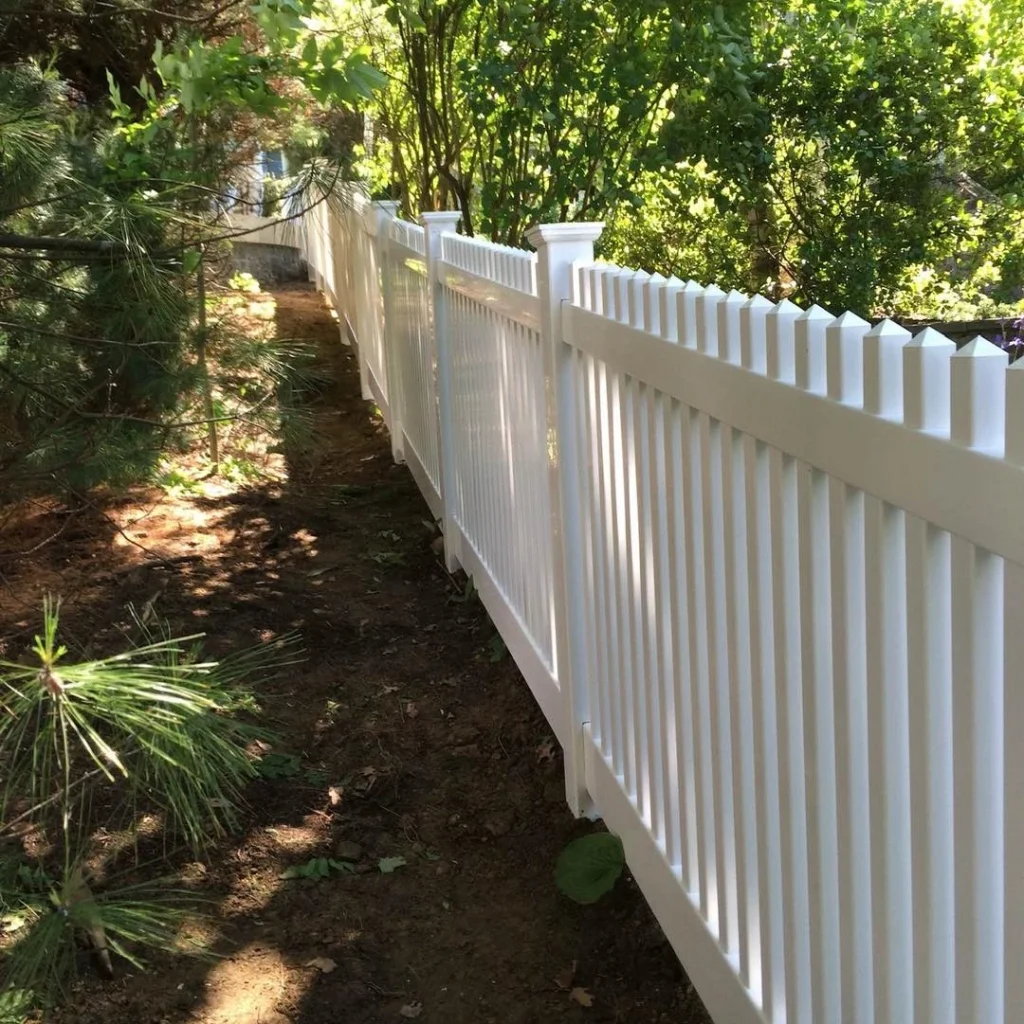
Homeowners often ask us if pressure washing is safe for all materials. High-pressure water can easily splinter softwoods like cedar and pine. You should always use a wide-angle nozzle and keep the wand at least twelve inches away from the surface.
Rust presents another common issue for chain link and wrought iron installations. If you spot a small patch of oxidation, scrub it off immediately with a wire brush. Apply a rust-inhibiting primer over the bare metal before touching up the paint. Catching rust early stops it from eating completely through the steel.
Wrapping Up Your Maintenance Strategy
Regular cleaning, seasonal inspections, and timely repairs keep your boundary structures standing strong. Adapting your routine to spring rains, summer heat, and winter snow saves you money on major replacements. Evaluate the current condition of your posts and panels today to determine your next steps. Create a reliable schedule that protects your property value for years to come.
Let Us Protect Your Perimeter.
Keeping your property boundaries secure requires time and effort. We understand that seasonal upkeep often falls to the bottom of your weekend chore list. Let Acme Fence handle the heavy lifting. Our team provides professional inspections, thorough cleaning, and lasting repairs. Contact us at (330) 784-0456 or email info@acmefence.com to claim your free quote today. We will ensure your yard stays beautiful and secure through every season.
Frequently Asked Questions
How often should I restain my wooden fence?
You should apply a new coat of stain and sealant every two to three years. If water stops beading on the surface of the wood, it is time for a fresh application.
What causes fence posts to lean?
Posts typically lean due to soil erosion, high winds, or rotting at the base. Winter frost heave can also push concrete footings out of alignment over time.
Can I repair a single damaged vinyl panel?
Yes, you can replace individual vinyl panels without taking down the entire structure. You just need to slide the damaged section out of the post channels and insert a matching replacement.
Is it safe to plant vines along my fence?
Climbing plants trap moisture against the surface, and their roots can compromise the structural integrity. If you want greenery, use trellises placed a few inches away from the main panels.
How do I stop my metal gate from squeaking?
Apply a silicone-based lubricant to the hinges and latch mechanisms twice a year. Avoid using standard penetrating oils because they tend to attract dirt and grime.
Sources
- The Freedonia Group – Provides industry market research regarding synthetic fencing durability and ultraviolet-resistant coatings.
- HomeAdvisor – Offers homeowner data regarding the average lifespan and replacement timelines for wooden boundary structures.


