

Smart security fence solutions combine physical barriers with integrated technology to protect property more effectively than traditional fencing alone. These systems incorporate sensors, cameras, automated gates, and connectivity features that provide real-time monitoring and control. The smart approach transforms a simple barrier into an active security system that detects, deters, and responds to threats while maintaining aesthetic appeal and practical functionality for residential and commercial properties.
This guide covers everything you need to know about selecting and implementing smart security fencing, from understanding different technology options to evaluating your specific security needs. The information comes from extensive experience in security fence installations and stays current with the latest industry developments and technological advancements.
Understanding Smart Security Fence Technology
Smart security fences represent a significant advancement from traditional barriers. These systems integrate physical fencing with electronic components that create multiple layers of protection. The core technologies include motion sensors, video surveillance, access control systems, and network connectivity that allows remote monitoring and management. According to market research from Allied Market Research, the global smart security market is projected to reach billions by 2027, showing strong growth in integrated security solutions.
The most effective smart fence systems combine passive and active security measures. Passive elements include the physical barrier itself and visible deterrents like cameras and warning signs. Active elements detect intrusion attempts and trigger responses such as alerts, lighting activation, or automated lockdown procedures. This combination creates a security system that works both preventively and reactively.
Types of Smart Security Fences
Different smart fence solutions serve various security needs and budgets. Understanding these options helps property owners choose the most appropriate system for their situation.
Perimeter intrusion detection systems use fiber optic or microwave sensors mounted on or along fence lines to detect cutting, climbing, or lifting attempts. These systems provide precise location information for any breach and can distinguish between environmental interference and actual security events.
Integrated video surveillance fences combine physical barriers with strategically placed cameras that provide continuous monitoring. Advanced systems include AI-powered analytics that can identify suspicious behavior and send alerts before an intrusion occurs.
Automated access control fences feature smart gates with biometric scanners, keycard readers, or smartphone-controlled entry systems. These are particularly effective for commercial properties where managing authorized access is as important as preventing unauthorized entry.
Electric and electrified fence systems deliver non-lethal deterrent shocks to discourage climbing or cutting. Modern versions can be integrated with monitoring systems that alert when the fence is touched or compromised, providing both physical and electronic security.
Bonus tip: Consider hybrid systems that combine multiple technologies. A property with both an intrusion detection system and integrated video surveillance can verify potential threats before triggering full response protocols, reducing false alarms.
Comparison of Smart Fence Options
| Fence Type | Security Level | Maintenance | Best For |
|---|---|---|---|
| Fiber Optic Sensor | High | Low | High-value commercial properties |
| Video Surveillance | Medium-High | Medium | Areas requiring visual verification |
| Automated Access Control | Medium | Medium | Properties with controlled access needs |
| Electric Deterrent | High | Medium-High | Remote or high-risk locations |
| Smart Mesh Fencing | Medium | Low | Residential and light commercial use |
Regional and Climate Considerations
Geographic location significantly affects the effectiveness and longevity of smart fences. In coastal areas, salt air can corrode electronic components and fence materials more quickly. Choose marine-grade stainless steel, aluminum, or coated materials for these environments. Additionally, consider weatherproofing for all electronic elements with appropriate IP ratings for moisture and dust protection Security Industry Association.
In regions with extreme temperature fluctuations, thermal expansion and contraction can affect sensor calibration and system reliability. Professional installation with proper expansion joints and regular recalibration helps maintain accuracy year-round. Areas with heavy snowfall may need sensors mounted higher or additional protective housings to prevent false readings and equipment damage.
For properties in rural areas, connectivity becomes a critical factor. Many smart fence systems require network access for remote monitoring and alerts. Options include cellular-based systems, satellite connectivity, or local network configurations that don’t depend on broadband availability. Always verify signal strength and reliability before finalizing system selection.

Things to Consider Before Making a Decision
Assessing your specific security needs helps determine the most appropriate smart fence solution. Start by identifying what you’re protecting and the likely threats. A residential property privacy fence and preventing opportunistic theft has different requirements than a commercial facility securing valuable equipment or sensitive data.
Budget considerations should include not just initial installation but also ongoing maintenance, monitoring subscriptions, and potential upgrade costs. High-end systems with advanced features may seem expensive initially but can reduce long-term security expenses by preventing losses and reducing the need for physical security patrols.
Property layout influences system design. Straight perimeter runs are simpler to secure than properties with irregular boundaries, multiple access points, or natural obstacles that create blind spots. Complex properties may require additional sensors, cameras, or supplemental security measures.
Integration capabilities matter if you already have or plan to add other security systems, which is equally important in chain link fence installation when pairing perimeter security with surveillance or access control. Ensure any smart fence solution can connect with existing cameras, alarm systems, or building management software. Proprietary systems might work well initially but limit future options.
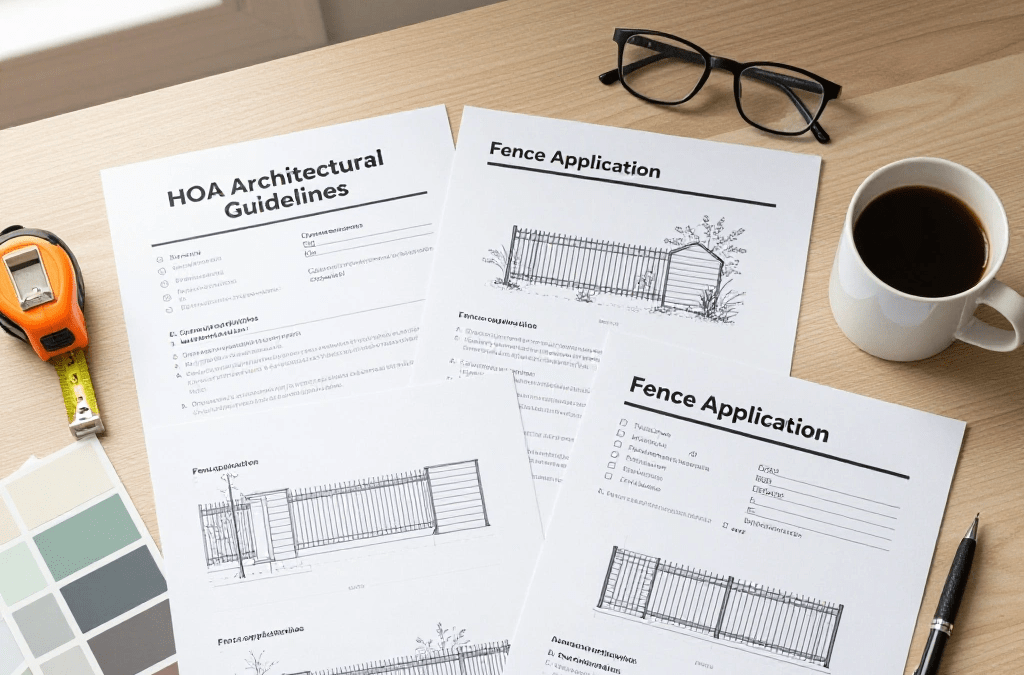
Bonus tip: Check local regulations and HOA restrictions before installing certain types of security fencing, particularly electric or systems taller than standard fence height limits. Some areas require permits or have specific guidelines for security features.
Making the Right Security Choice
Smart security fence solutions offer effective protection when matched to specific property needs and threats. The key is understanding available technologies, considering environmental factors, and planning for integration with existing or planned security systems. Property owners should assess their security requirements honestly and budget for both installation and ongoing maintenance.
Before making a decision, evaluate multiple vendors and request detailed proposals that include all costs, warranties, and service agreements. Consider visiting reference installations to see systems in operation and ask about real-world performance. Remember that the most expensive system isn’t always the best fit for every situation.
Security needs change over time, so choose flexible systems that can expand or upgrade as requirements evolve. A well-planned smart fence installation provides lasting value by protecting property, reducing security risks, and offering peace of mind through continuous, intelligent monitoring.
Get Professional Security Assessment
Acme Fence provides comprehensive security fence consultations to help property owners identify the most effective protection solutions. Our experienced team evaluates property layouts, security requirements, and budget considerations to recommend appropriate smart fence systems. For expert guidance on protecting your property with intelligent security solutions, contact Acme Fence at info@acmefence.com or call (330) 784-0456 to schedule a professional assessment.
Sources
- Allied Market Research – Market research data on smart security industry growth and projections
- Security Industry Association – Industry standards and best practices for security system integration
- Electronic Security Association – Technical specifications and guidelines for electronic security components
Key Questions About Security Fencing
How much does a smart security fence cost compared to traditional fencing?
Smart security fences typically cost 30-50% more than traditional fencing due to added technology components. However, the enhanced protection and potential reduction in security personnel costs often provide positive return on investment within 2-3 years for commercial properties, Electronic Security Association.
Can smart fences be installed on existing fence structures?
Many smart fence technologies can be retrofitted to existing traditional fences. Fiber optic sensors, wireless cameras, and solar-powered components can attach to current structures, making upgrades more cost-effective than complete replacement.
What happens if the power or internet goes out?
Quality smart fence systems include battery backup and cellular connectivity options to maintain operation during outages. Local storage capabilities ensure video surveillance continues recording even when network connections are temporarily unavailable.
How difficult is smart fence maintenance?
Most modern systems are designed for minimal maintenance, requiring quarterly sensor calibration and occasional cleaning. Professional monitoring services often include regular maintenance checks as part of service packages.
Are smart fences effective against determined intruders?
Smart fences significantly delay and deter most intruders while providing immediate alerts and documentation of security events. For high-value targets, they work best as part of a comprehensive security strategy including response protocols and additional deterrent measures.