

Wood fencing dominates residential properties in Green, Ohio, because it provides affordable privacy while blending naturally with the local wooded environment. Cedar and treated pine hold up exceptionally well to Northeast Ohio’s variable weather conditions when properly treated, which is why many homeowners also consider dog fences for added pet safety.
Our team spends every season working directly with the local soil and climate. We know exactly which materials and installation methods prevent frost heave and wood rot in this specific area. You will find comprehensive details below to help you plan your upcoming property upgrades.
Understanding the Demand for Timber Boundaries
Homeowners in Summit County favor natural materials over synthetic options for their exterior upgrades. Wood creates an organic border that matches the mature trees and natural parks scattered throughout Green. A recent report published by Angi indicates that wood remains the most frequently installed residential boundary material nationwide due to its highly accessible price point.
You gain immediate visual warmth that vinyl or chain link simply cannot replicate. The upfront material costs also stay relatively low compared to wrought iron or composite materials. This makes enclosing larger residential lots far more manageable on a standard budget.
Bonus Tip: Apply a clear UV-blocking sealant within the first three months of installation to prevent premature graying from direct sun exposure.
Comparing Wood Fencing Materials for Northeast Ohio Climates
Selecting the right timber species determines how well your boundary survives freezing winters and humid summers. Some woods naturally resist moisture and insects better than others.
Here is a breakdown of the most common options available for residential lots:
| Wood Species | Natural Rot Resistance | Average Lifespan | Cost Level |
|---|---|---|---|
| Treated Pine | Moderate (Requires chemicals) | 10 to 15 years | Low |
| Western Red Cedar | High (Natural oils) | 15 to 20 years | Medium |
| Redwood | Very High | 20 to 25 years | High |
Data from Bob Vila confirms that proper annual maintenance extends the functional life of standard cedar boards up to two decades. We frequently recommend cedar for Green properties because its natural tannins repel local wood-boring insects.
Matching Boundary Styles to Your Home Architecture
Different structural designs serve entirely different functions for your yard. A solid privacy style blocks wind and visual sightlines entirely. This works perfectly for backyards, housing, swimming pools, or hot tubs.
Shadowbox designs stagger the pickets on either side of the structural rails. This allows wind to pass through easily while still offering semi-privacy. This style reduces the wind load on your posts during strong Midwestern storm fronts, as seen in wind-resistant fence design options.
Traditional picket styles work beautifully for front yards or garden enclosures. They define the space without creating an imposing visual barrier from the street.
3 Key Pre-Decision Factors for Your Yard Setup
Every local municipality enforces specific zoning rules for property borders. You must verify property lines with an official survey before digging a single post hole. Guessing your property line often leads to expensive tear-downs.
The City of Green restricts residential boundary heights and placement. They typically cap backyard enclosures at six feet tall. Front yard enclosures face stricter height and visibility limitations to maintain safe sightlines for drivers.
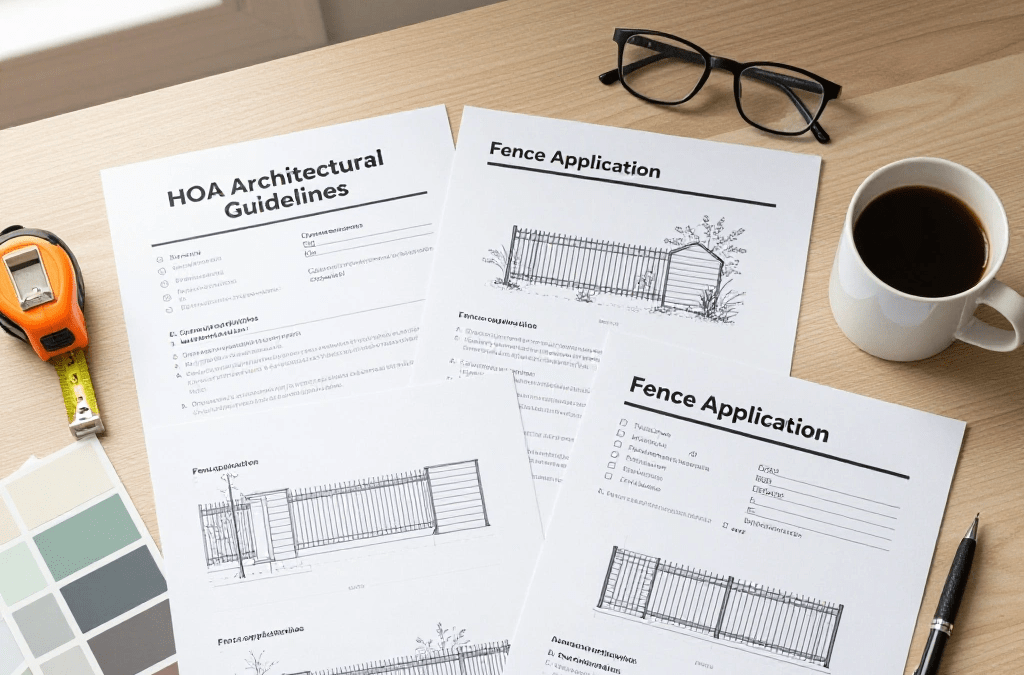
Homeowner associations in neighborhoods like Chenoweth Estates or Prestwick often enforce additional material and color restrictions. Always secure written approval from your HOA architectural committee before ordering materials.
Bonus Tip: Talk to your immediate neighbors before starting construction. Sharing your plans prevents unexpected boundary disputes and sometimes leads to shared construction costs.
Are There Specific Installation Practices for Our Region?
Northeast Ohio experiences heavy frost cycles that cause the ground to expand and contract dramatically. Installers must dig post holes below the local frost line to prevent the structure from heaving upward during winter, a key step in privacy fence installation for long-term stability.
We set structural posts at least 36 to 42 inches deep and anchor them in high-strength concrete. Bell-shaping the bottom of the concrete footer creates a heavy anchor that resists ground pressure upward.
Green features a high concentration of dense clay soils that hold water aggressively. If installers do not mix gravel into the bottom of the post holes, water pools directly under the wood. The gravel provides an essential drainage path to keep the post base dry in Green soil drainage and fencing conditions.

Understanding Property Value Impacts
Adding a well-built wooden perimeter directly affects your property’s market appeal. Buyers with young children or large dogs actively look for enclosed backyards. It provides immediate security and peace of mind for new homeowners.
A study on home improvement returns from Remodeling Magazine demonstrates that exterior aesthetic upgrades recover a large percentage of their initial construction costs.
Dilapidated or rotting borders actively drag down property values. Maintaining the structural integrity of your timber guarantees you retain that initial equity bump.
Maintenance Routines for Ohio Weather Conditions
Wood requires more ongoing attention than synthetic options to survive our humid summers. Mold and mildew grow quickly on damp boards shaded by large oak or maple trees. You need a consistent cleaning schedule to prevent organic growth.
You must clear wet autumn leaves away from the bottom of your boards before the first snowfall. Trapped moisture accelerates rot at the base of the structure. Leaving a two-inch gap between the bottom of your pickets and the soil prevents the boards from wicking ground moisture, which is why proper maintenance matters.
Inspect your gates every spring after the ground thaws completely. Frost heave often shifts structural posts slightly out of alignment.
Bonus Tip: Tighten loose gate hinges and replace rusted screws with exterior-grade galvanized fasteners to prevent ugly rust stains from dripping down the wood.
Wrapping Up Your Fencing Project Plans
Natural timber provides an attractive and affordable way to secure your residential property. Selecting the right species and demanding proper installation methods will protect your investment against harsh local winters. Take time to review your property lines and local zoning codes before finalizing your design. You can then evaluate your specific privacy needs and maintenance capabilities to select the perfect style for your yard.
Secure Your Property With Local Professionals
Upgrading your property borders requires careful planning and experienced hands. At Acme Fence, we provide detailed assessments of your yard to recommend the best materials for your specific soil and drainage conditions. We invite you to reach out to us at (330) 784-0456 or drop an email toinfo@acmefence.com. Contact us today to request a free quote, and we will help you design a secure boundary that meets all local building codes.
Frequently Asked Questions About Wood Boundaries
How often should I restain my wooden panels?
You should clean and reapply a protective stain every two to three years. Waiting until water no longer beads on the surface means the wood is already absorbing damaging moisture.
Do I need a building permit for a backyard enclosure?
Yes, you must obtain a zoning permit from the local building department before starting construction. You must submit a site plan showing the proposed location relative to your property lines.
Which side of the fence should face my neighbor?
Local building codes generally require the finished side to face outward toward your neighbors and public streets. The structural rails and posts will remain visible from the inside of your yard.
Can I install a boundary during the winter months?
Winter installations are possible if the ground is not completely frozen solid. We generally prefer spring and fall installations when soil conditions allow for proper concrete curing.
What is the best way to clean algae off the boards?
A mixture of warm water and oxygen bleach easily removes green algae without damaging the wood fibers. Avoid using high-pressure power washers as they can strip away the soft grain of the timber.
Sources
- Angi – Provides national average cost data and material popularity statistics for residential property boundaries.
- Bob Vila – Offers expert analysis on the expected functional lifespan of various timber species used in exterior construction.
- City of Green – Outlines the official municipal zoning regulations and height restrictions for residential structures.
- Remodeling Magazine – Supplies annual data regarding the financial return on investment for exterior home improvement projects.