
Low-maintenance vinyl fences are the perfect choice for property owners who want lasting beauty without constant upkeep. Unlike traditional materials, vinyl fences resist moisture, pests, fading, and harsh weather conditions, requiring only an occasional rinse to maintain their clean, modern appearance.
We have spent years installing and maintaining various perimeter solutions, seeing firsthand how different materials age. This article provides a clear look at why synthetic materials outlast traditional options and how they compare to cedar wood fencing options, helping homeowners choose a solution that fits a modern lifestyle.
Why vinyl outperforms traditional wood and metal
Wood fences require staining, sealing, and painting every few years to prevent rot. Metal options can rust or corrode when exposed to rain and humidity. Synthetic fencing is made from polyvinyl chloride (PVC), which is naturally waterproof and does not decay over time, making Acme Fence installation services a practical option for homeowners looking for long-term durability and low maintenance.
Because the color is integrated throughout the material, durable PVC fencing does not chip or peel. You will never need to scrape off old paint or worry about splinters. This makes it a safer option for families with children or pets who spend time in the yard.
A report from the International Association of Certified Home Inspectors notes that vinyl is nearly five times stronger than wood. This strength allows it to flex under wind pressure rather than snapping, which is a major advantage in storm-prone areas.
The long-term cost benefits of synthetic materials
While the initial purchase price might be higher than that of pressure-treated lumber, the lack of upkeep costs saves money quickly. You don’t have to buy expensive stains, brushes, or replacement boards. The time you save by not doing manual labor also adds significant value, especially when comparing long-term durability with chain link fencing solutions for practical perimeter protection.
Research by HomeAdvisor indicates that while wood is cheaper upfront, the ongoing maintenance makes it more expensive over ten years. Vinyl remains stable, meaning your property value doesn’t dip due to a weathered or leaning fence.
| Feature | Vinyl Fencing | Wood Fencing | Aluminum Fencing |
|---|---|---|---|
| Annual Maintenance | Cleaning only | Staining/Sealing | Periodic Inspection |
| Lifespan | 20 to 30+ Years | 10 to 15 Years | 30 to 50 Years |
| Pest Resistance | High (Immune) | Low (Termites) | High (Immune) |
| Moisture Resistance | Waterproof | Absorbs water | Rust resistant |
| Color Longevity | Permanent | Fades quickly | Permanent |
Resistance to environmental damage
Sun exposure is a major enemy of outdoor structures. Many modern synthetic panels contain titanium dioxide, which acts as a sunscreen for your fence. This prevents the material from turning yellow or becoming brittle after years of sitting in direct sunlight.
Weatherproof boundary solutions are also immune to biological threats. Termites and carpenter ants cannot eat PVC. Similarly, mold and mildew can grow on the surface if the fence is in a damp, shady area, but they won’t penetrate or weaken the structure.
Bonus Tip: If you notice green algae or mildew on your panels, a simple mixture of dish soap, water, and a soft brush will remove it in minutes. Avoiding harsh chemicals helps preserve the material’s glossy finish.

4 things to consider before choosing your panels
- Evaluate local climate patterns. While vinyl handles most weather well, extreme temperature swings can cause it to expand and contract. Quality installations account for this movement, so the panels don’t warp.
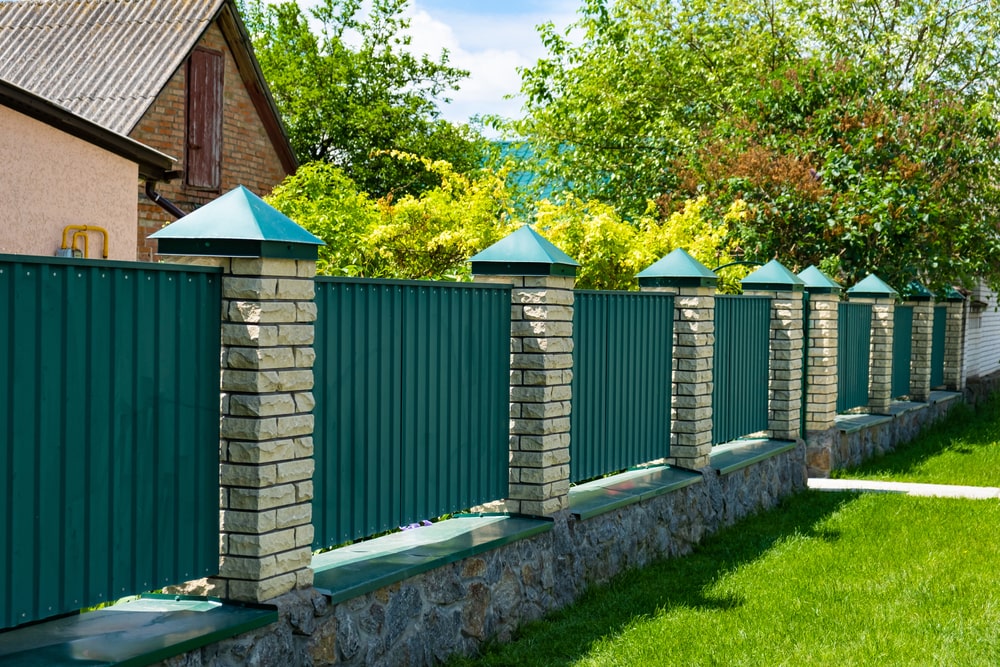
- Explore style and texture options. Modern manufacturing allows for textures that mimic wood grain or stone. You can get the look of a natural material without the high-effort upkeep.
- Analyze property slope and grading. Some vinyl systems use “racked” panels that follow the ground’s curve, while others use “stepped” sections. Knowing your yard’s layout helps in picking the right kit.
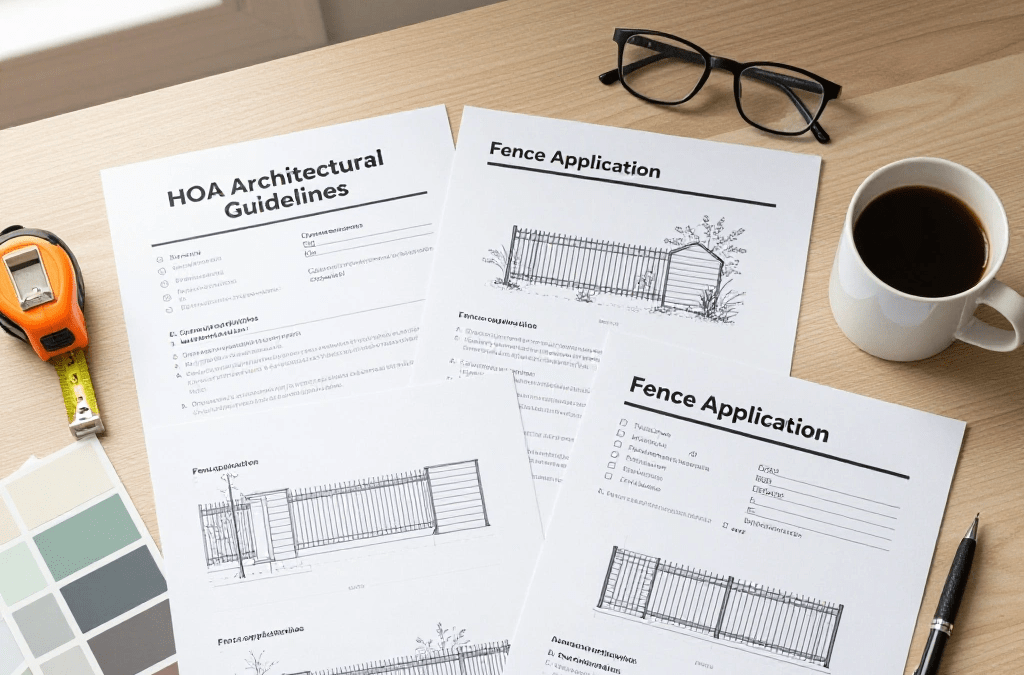
- Check local HOA regulations. Many neighborhoods have specific rules about fence height and color. Always check your local guidelines before finalizing a purchase to ensure the style is permitted.
How synthetic fencing impacts property value
A well-maintained yard is a major selling point for any home. Potential buyers often view a wood fence as a future project or an expense. Conversely, a clean vinyl perimeter suggests the home is easy to care for and move-in ready.
Data from the National Association of Realtors suggests that exterior improvements like fencing often provide a high return on investment. Because washable outdoor partitions look the same on day 1,000 as they did on day 1, they keep the home’s curb appeal high.
Bonus Tip: Choose a neutral color like white, tan, or gray for the best resale value. These colors tend to match the widest variety of home siding and landscaping styles.
Are vinyl fences environmentally friendly?
Many people worry about the use of plastics, but the material’s longevity is an environmental plus. You aren’t replacing the fence every decade, which reduces the demand for harvested timber and the chemicals used in wood treatments.
According to the Vinyl Institute, PVC is a recyclable material. Many manufacturers now use recycled content in the inner ribs of the fence posts, keeping plastic out of landfills while maintaining a high-quality outer finish.
What is the best way to clean your fence?
Cleaning is the only real “work” you will ever do on these structures. Most dirt washes away with a standard garden hose. For tougher spots, such as bird droppings or dried mud, a soft cloth is usually enough to restore the shine.
You should avoid using abrasive scrubbers or steel wool, as these can create tiny scratches that trap dirt. Pressure washers are generally safe to use on a low setting, but be careful not to get too close, as the high pressure can occasionally damage the post caps or decorative trim.
Summary of benefits
Choosing a fence shouldn’t feel like adding another chore to your weekend list. By selecting a material that resists rot, pests, and UV damage, you ensure your yard stays secure and attractive with minimal effort. Vinyl fences’ low-maintenance qualities allow you to spend more time enjoying your outdoor space and less time fixing it. Evaluate your local weather, your budget, and your long-term plans for the property to decide if this modern material is the right investment for your home.
We can help you find the right fit
Choosing the right perimeter for your home is a big decision, and Acme Fence is here to make it easier. Our team provides expert guidance on styles and installation methods that work best for your specific property. Whether you need privacy or a decorative border, we have the experience to help you choose a solution that lasts for decades. Contact us today at (330) 784-0456 or email info@acmefence.com for more information. We are happy to provide a free quote to help you get started on your home improvement project.
Common questions about vinyl fencing
How do I fix a hole in a vinyl fence?
You can use a vinyl reinforcement kit or an automotive body filler to patch small holes. Once the filler dries, sand it smooth and use a matching spray paint designed for PVC.
Does vinyl fencing get brittle in the winter?
Extreme cold can make PVC less flexible, increasing the risk of cracking if hit by a heavy object. However, modern formulations include impact modifiers to prevent shattering in freezing temperatures.
Will weed eaters damage the bottom of the fence?
Repeated contact with a heavy-duty string trimmer can scuff or “burn” the bottom of the posts. It is best to use a lower power setting or hand-trim around the base.
Can I paint my vinyl fence if I want a change?
While possible, painting is not recommended because the paint often fails to bond properly with the smooth PVC surface. This would also create a need for the maintenance you originally avoided.
How deep should vinyl fence posts be set?
Posts should generally be set at a depth of one-third to one-half of their height. In cold climates, they must go below the frost line to prevent the fence from heaving.
Sources
- International Association of Certified Home Inspectors – An article explaining the technical strengths and durability of vinyl as a building material.
- HomeAdvisor – A cost guide detailing the initial and long-term price differences between fencing materials.
- National Association of Realtors – A report on how exterior home improvements affect resale value and buyer interest.
- Vinyl Institute – Information regarding the manufacturing, recycling, and environmental impact of vinyl construction products.