
Homeowners are increasingly choosing vinyl fencing over traditional wood because it offers superior longevity, requires minimal maintenance, and delivers excellent long-term financial value. While wood remains popular for its low upfront price, vinyl does not rot, warp, crack, or attract pests, making it a highly reliable and durable choice for modern properties. Explore the benefits of residential vinyl fencing to find the right style for your property.
This detailed guide outlines the specific performance differences, financial calculations, and practical factors that drive this widespread shift. Drawing on our decades of industry experience, Acme Fence provides the factual, real-world comparison you need to make the right choice for your home.
The Lifespan Advantage of Vinyl Fencing
Vinyl fencing is engineered from highly durable polyvinyl chloride (PVC), which resists environmental degradation far better than natural wood. While a standard wood fence often begins to show signs of decay, warping, or termite damage within 10 to 15 years, a high-quality vinyl system can easily last 30 years or more without structural degradation.
A market study by The Freedonia Group highlights that homeowners are increasingly transitioning to plastic and vinyl fencing to avoid the cyclical replacement costs of wood. This shift is particularly evident in regions with harsh weather patterns, where moisture and extreme temperature swings quickly compromise organic wood fibers.
Because vinyl does not absorb water, it remains immune to the freeze-and-thaw cycles that break down wood cells. Our team frequently replaces older wood structures with vinyl alternatives because homeowners want a boundary that remains structurally sound and visually appealing for decades.
Modern vinyl formulations also include specific protective additives, such as titanium dioxide, which shield the material from ultraviolet radiation. This chemical engineering prevents the plastic from becoming brittle, chalky, or yellowed when exposed to intense summer heat, ensuring the structural integrity remains intact over its entire lifespan, making it an excellent choice for residential security fencing.
Why Wood Requires More Upkeep and Effort
Natural wood is a porous, organic material that degrades over time when exposed to the elements. To prevent moisture absorption, mold growth, and insect infestation, a wood fence must be chemically sealed, stained, or painted every two to three years. This ongoing maintenance requires significant physical labor, time, and consistent financial investment in protective coatings.
In contrast, vinyl fencing is virtually maintenance-free and never needs to be painted, sanded, or stained. The material resists fading from solar radiation, meaning the color you choose during installation remains consistent throughout its entire service life.
Bonus Tip: To keep your vinyl fence looking pristine, wash it once a year with a simple mixture of mild dish soap and warm water using a soft-bristled brush to remove any surface dirt or pollen.
Cleaning a vinyl structure usually requires nothing more than a quick spray with a standard garden hose. This simplicity appeals to busy homeowners who prefer to spend their weekends enjoying their outdoor spaces rather than performing tedious property repairs. If you are comparing long-term upkeep and durability, reviewing different fence material options can help you make a more informed decision.
Furthermore, wood fences are held together by metal fasteners, such as nails and screws, which naturally rust over time when exposed to rain and humidity. This rust not only creates unsightly dark streaks on the wood boards but also weakens the structural connections, causing gates to sag and individual slats to fall off. Vinyl fencing systems utilize interlocking routed posts and rails, which drastically reduce the reliance on external metal fasteners and eliminate rust-related structural failures.

Is a Vinyl Fence Truly More Cost-Effective Over Time
While vinyl has a higher upfront cost for materials and installation than standard wood, it is a far more economical choice over its lifespan. Homeowners who choose wood often fail to account for the cumulative costs of stains, sealants, replacement boards, and the eventual full replacement of the structure after fifteen years.
A cost analysis by Kodiak Fence Co. demonstrates that although wood is cheaper initially, the cost of staining a wood fence every few years quickly makes it more expensive than vinyl within a decade. When you calculate the total cost of ownership over twenty or thirty years, vinyl emerges as the more financially sensible investment.
The table below provides a direct comparison of the key performance and financial differences between these two common fencing options:
| Performance Metric | Wood Fencing (Cedar or Pine) | Vinyl Fencing (PVC) |
|---|---|---|
| Average Lifespan | 10 to 15 years | 30 to 40+ years |
| Upfront Material Cost | Moderate | Higher |
| Maintenance Requirements | Staining or sealing every 2 to 3 years | Occasional washing with water |
| Resistance to Rot and Pests | Highly vulnerable without treatment | Complete natural immunity |
| Aesthetic Durability | Fades to grey, warps, and cracks | Retains original color and shape |
| Long-Term Financial Value | Lower due to repair and replacement costs | High due to zero ongoing upkeep expenses |
When evaluating these figures, it becomes clear that the initial premium paid for vinyl is actually a long-term savings mechanism. Wood owners must purchase gallons of expensive stains and dedicate entire weekends to pressure washing and coating their fences. With vinyl, those recurring expenses are reduced to zero, allowing you to recoup your initial investment within the first seven to ten years of ownership.
Key Factors to Evaluate Before Choosing Your Fencing Material
Before you finalize your decision and purchase fencing materials, you should evaluate several factors to ensure the materials match your property goals.
First, consider your long-term residential plans. If you intend to stay in your current home for more than five to ten years, the long-term savings and convenience of vinyl make it the ideal option. However, if you plan to sell your property in the very near future, the lower upfront cost of wood might better fit your immediate budget.
Second, examine your local climate and sun exposure. Properties that receive intense, direct sunlight can cause wood to dry out and split, while heavy rainfall or high humidity accelerates wood rot. Vinyl performs exceptionally well in both wet and sunny environments because it does not dry out, crack, or absorb moisture.
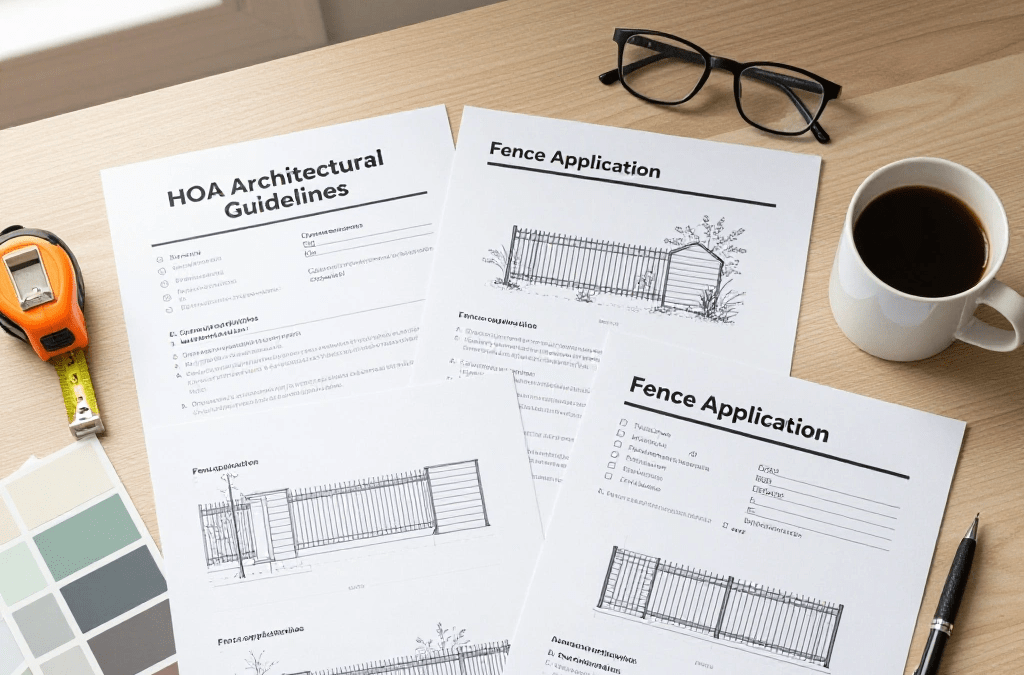
Bonus Tip: Check your local Homeowners Association bylaws before buying any materials, as some subdivisions have strict rules regarding permissible fencing colors, heights, and specific construction materials.
Third, analyze the soil conditions and terrain of your yard. Installing a vinyl fence requires absolute precision because the pre-fabricated panels must align perfectly with the posts. If your yard has extreme slopes or rocky soil that makes post placement difficult, our experienced installation team can help you navigate these issues to ensure a clean, level installation.
Finally, factor in your personal lifestyle and physical ability to perform regular home maintenance. If you do not have the time, physical strength, or budget to hire professionals for recurring staining and sealing, selecting a material that requires no post-installation effort is the smartest path forward.
Choosing the Right Boundary for Your Property
Deciding between vinyl and wood fencing ultimately depends on balancing your immediate budget against your long-term expectations for maintenance and durability. Wood offers a classic look and lower initial cost, but it requires ongoing maintenance and expense to prevent decay. Vinyl provides a beautiful, uniform appearance that withstands severe weather, eliminates weekend chores, and saves you money over the years. We recommend carefully assessing your property timeline, local weather, and maintenance preferences to select the material that best supports your home’s long-term value.
Start Your Fencing Project with Us
Acme Fence is ready to help you select and install the perfect high-quality boundary for your property. We offer a wide range of durable vinyl fencing styles designed to secure your yard and improve your curb appeal without the hassle of traditional maintenance. Contact us today at (330) 784-0456 or email our staff at info@acmefence.com to discuss your property needs and receive a free quote on our professional installation services.
Frequently Asked Questions
Does a vinyl fence fade in the sun?
No, high-quality vinyl fences are manufactured with UV inhibitors that protect the material from solar radiation, ensuring the color does not fade or turn yellow over time.
Can a vinyl fence withstand strong winds?
Yes, properly installed vinyl fences with reinforced posts offer excellent wind resistance and can withstand strong storms without cracking or collapsing.
Is a vinyl fence easy to repair if damaged?
Yes, because vinyl fences are constructed using individual interlocking panels and rails, you can easily replace a single damaged section without tearing down the entire structure.
Does a wooden fence eventually rot?
Yes, because wood is an organic material, constant exposure to ground moisture, rain, and insects will eventually cause it to decay, even with regular staining and chemical treatments.
Is vinyl fencing safe for homes with pets?
Yes, vinyl fencing is exceptionally safe because it has a smooth surface with no splinters, sharp edges, or exposed nails that could injure your animals.
Sources
- The Freedonia Group – A leading international business research firm providing comprehensive market data and growth forecasts for the plastic and vinyl fencing industries.
- Kodiak Fence Co. – A professional fence installation company offering detailed analyses on the lifetime cost of ownership and performance differences between wood and vinyl.