

Smart homeowners looking to install a fence have several financing options, including home improvement loans, contractor payment plans, credit cards with introductory rates, and cash payments. The key to successful fence budgeting lies in understanding all costs involved—not just materials and labor, but also permits, site preparation, and long-term maintenance. This guide breaks down every financial aspect to help homeowners make informed decisions that align with their budget and property goals. With years of industry experience, Acme Fence has helped hundreds of homeowners navigate these decisions successfully.
Understanding True Fence Costs
The final price of a fence installation extends far beyond the initial quote. Material costs typically represent 40-50% of the total project budget, with labor accounting for another 30-40%. The remaining percentage covers permits, equipment rental, site preparation, and contractor overhead, HomeAdvisor.
Bonus Tip: Always request detailed breakdowns from contractors that separate material, labor, and additional costs. This transparency helps you compare quotes accurately and identify potential hidden fees.
Material Cost Comparison
Different fencing materials come with varying price points and longevity considerations. Here’s a comprehensive comparison to help with budget planning:
| Material Type | Lifespan | Maintenance Required |
|---|---|---|
| Chain Link | 15-20 years | Minimal |
| Wood (Pressure-Treated) | 10-15 years | Annual staining/sealing |
| Vinyl | 20-30 years | Minimal |
| Aluminum | 25+ years | Occasional cleaning |
| Composite | 25+ years | Minimal |
| Wrought Iron | 50+ years | Periodic painting |
Available Financing Options
Home Improvement Loans
Many homeowners turn to personal home improvement loans specifically designed for renovation projects. These unsecured loans typically offer fixed interest rates between 6-36% and repayment terms from 2 to 12 years. The approval process usually takes a few days, and funds can be used for any fencing-related expenses including materials, labor, and permits.
Contractor Financing Plans
Some fencing companies offer in-house financing options, often through partnerships with specialized lenders. These plans may feature promotional periods with 0% interest if paid within 12-18 months. However, it’s essential to read the fine print carefully. A study by the Consumer Financial Protection Bureau found that deferred interest plans can be costly if the balance isn’t paid off during the promotional period.
Credit Card Strategies
Credit cards with introductory 0% APR periods can effectively provide free short-term financing for 12-18 months. This approach works best for homeowners with strong credit scores who can confidently pay off the balance before the promotional period ends. Additionally, some credit cards offer cashback rewards on home improvement purchases, providing an extra financial benefit.
Home Equity Options
For homeowners with significant equity in their property, HELOCs or home equity loans might offer lower interest rates than unsecured alternatives. These options typically feature rates around 3-7% and longer repayment terms up to 30 years. However, they use your home as collateral, creating risk if you can’t make payments.
Bonus Tip: Consider the total interest costs over the life of the loan, not just the monthly payment. A lower monthly payment over a longer term might actually cost more in the long run.
Strategic Budget Planning
Creating a Realistic Budget
Start by determining your maximum affordable monthly payment for financing options. If paying cash, assess how much you can comfortably withdraw from savings without compromising your emergency fund. Industry experts recommend keeping 3-6 months of living expenses in emergency reserves before financing home improvements.
Hidden Costs to Anticipate
Many homeowners overlook expenses that go beyond basic installation. These can include fees for professional surveys to verify property lines, municipal permit charges, and site preparation tasks like tree removal or grading. In areas with rocky soil, difficult excavation can also add significant surcharges to the final project scope.
Long-Term Maintenance Budgeting
Different materials require varying levels of maintenance that affect lifetime costs. Wood fences need staining or sealing every 2-3 years per square foot. Metal fences may require rust treatment or repainting every 5-10 years. Planning for these ongoing expenses prevents future financial surprises.
Things to Consider Before Making a Decision
Impact on Property Value
While a quality fence typically increases home value by 1-5%, certain factors affect ROI. The National Association of Realtors reports that fences in established neighborhoods with similar properties tend to provide better returns than fences that make a property stand out significantly from surrounding homes.
Local Regulations and HOA Requirements
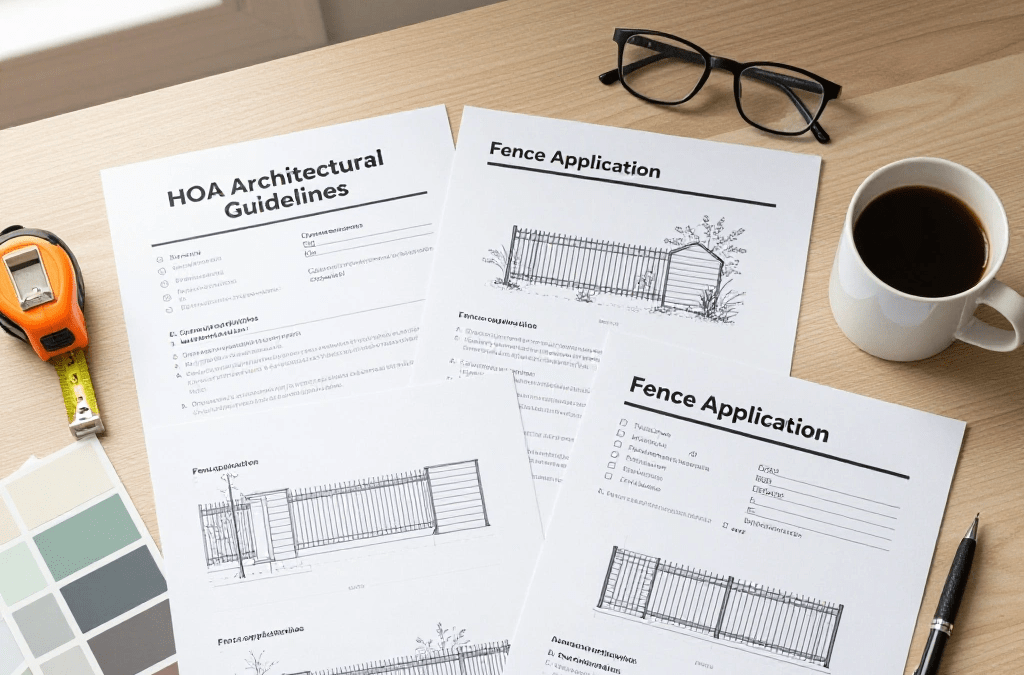
Before finalizing any budget, verify local zoning regulations and homeowners’ association rules. Some communities restrict fence heights, materials, or even colors. Violating these requirements could result in fines or mandatory replacement, effectively doubling your project costs.
Timing and Seasonal Pricing
Fencing costs often fluctuate seasonally. Winter months may offer 5-10% lower prices due to reduced demand, but installation challenges from frozen ground can offset savings. Spring and summer bring higher prices but more favorable installation conditions.
Bonus Tip: Request quotes during off-peak seasons (typically late fall) when contractors may offer more competitive pricing to fill their schedules before winter.

Regional and Climate Considerations
Climate plays a significant role in material selection and, consequently, budget planning. In regions with high humidity or heavy precipitation, materials like pressure-treated wood require more frequent maintenance, increasing long-term costs. Coastal areas with salt exposure demand corrosion-resistant materials like vinyl fence or aluminum, which typically cost more upfront but last longer in these conditions.
In northern regions with extreme temperature fluctuations, materials must withstand expansion and contraction without warping or cracking. This requirement often makes composite or vinyl more cost-effective long-term despite higher initial costs. Additionally, areas with deep frost lines may require deeper post holes, increasing labor costs by 15-20%.
Making Your Final Decision
When evaluating fence financing options, start by determining your total budget, including all project costs and potential extras, especially for larger-scale projects like commercial fence installation, where material and labor costs can be significantly higher. Compare the total cost of each financing option over its full term, not just monthly payments. Consider how the fence investment aligns with your long-term homeownership plans. For those planning to sell within 5 years, minimizing total project costs might make sense. If you plan to stay long-term, investing in higher-quality materials with lower lifetime maintenance costs often proves more economical financially.
Ready to Start Your Fence Project
Acme Fence provides comprehensive consultations to help homeowners understand their options and create realistic budgets for fence projects. Whether you’re interested in financing options or want to explore material choices that fit your budget, professional guidance can prevent costly mistakes. Contact Acme Fence at info@acmefence.com or call (330) 784-0456 to schedule a consultation and receive detailed information tailored to your specific situation.
Sources
- HomeAdvisor – Comprehensive cost data for various fence types and installation prices across different regions
- Consumer Financial Protection Bureau – Government resource providing information on consumer financial products and protections, including contractor financing
- National Association of Realtors – Professional organization providing research on home improvement projects and their impact on property values
Key Questions About Fence Projects
How long does the fence financing approval process take?
The timeline varies by financing type. Personal loans typically approve within 2-7 business days, contractor financing often provides same-day approval, and home equity options may take 2-4 weeks due to property appraisals. Credit card decisions are usually instantaneous.
What happens if the project costs more than the approved financing amount?
Some lenders allow increases to approved loan amounts with additional documentation. Alternatively, homeowners can use a combination of financing methods or pay the excess amount out of pocket. Always discuss potential cost overruns with your contractor and establish clear protocols before work begins.
Are there prepayment penalties on fence financing?
Most personal loans and contractor financing plans don’t charge prepayment penalties, but it’s essential to verify in the loan terms. Some home equity loans may include prepayment fees during the first few years of the loan term.
Does fence financing cover the removal of existing fences?
Most comprehensive fence financing covers the entire project, including demolition, debris removal, and installation of new fencing. However, always confirm this with your lender and ensure your contractor’s quote includes all necessary work.
What documentation is typically required for fence financing?
Common documentation includes proof of income (pay stubs or tax returns), bank statements, identification, and a signed contract from the fence installer. Home equity options require additional property documentation, including deed and insurance information.