

To ensure a smooth transition to your new yard boundary, prepare the property before installing the fence by clearing debris, identifying property lines, and talking with your neighbors. Acme Fence knows that solid prep work is the secret to avoiding delays and unexpected costs. By taking a few practical steps in advance, you give your contractors a clear workspace to build a straight, beautiful barrier.
We have years of hands-on experience helping owners transition their outdoor spaces. This guide provides a clear roadmap to get your yard ready before the installation crew arrives.
Why is prep work necessary for a smooth build?
A little bit of planning goes a long way. Setting up your yard ahead of time keeps your project on schedule and prevents disputes with neighbors.
According to data compiled by Angi, the national average cost to put up a fence ranges from $1,858 to $4,827. Unexpected prep obstacles can quickly push your final bill toward the higher end of that range.
If our crew has to clear thick brush or remove old wood, it adds labor hours. Handling these tasks beforehand keeps your costs predictable.
Clear communication with your neighbors is also a part of this process. It helps ensure there are no surprises on construction day.
1. Establish your legal boundaries
The absolute first step is identifying exactly where your land ends. Do not rely on old landmarks or where the lawnmower stops.
Using a professional land survey is the safest route. This process, known as Property Line Planning, protects you from accidentally building on a neighbor’s land. Once your boundaries are confirmed, you can confidently move forward with chain link fence installation.
If you build over the line, you might have to tear down the new structures later. That is an expensive mistake you can easily prevent.
Bonus Tip: Look for metal survey pins buried at your property corners. You can often locate them using a basic metal detector.
Take photos of the boundary markers once they are set. This creates a permanent visual record before excavation begins.
2. Clear the installation path
Your installation crew needs space to work. We generally require a clean path at least 3 to 5 feet wide along the entire perimeter.
Mow your grass short near the target line. Cut back overhanging tree branches, trim overgrown shrubs, and pull up any thick weeds.
This step of Fence Installation Preparation also involves clearing away loose items. Move patio furniture, toys, potted plants, and garden hoses to a safe spot.
If you have automatic sprinklers, turn off the system. Mark the locations of sprinkler heads to protect them from damage.
Keep all vehicles parked away from the work area. This gives the crew enough room to carry materials back and forth.
3. Check local regulations and permits
Every city has specific rules about heights and materials. Some locations require a formal building permit for structures over a certain height.
Usually, a standard permit costs about $150, according to Raleigh Realty. Skipping this step can lead to fines or forced removal.
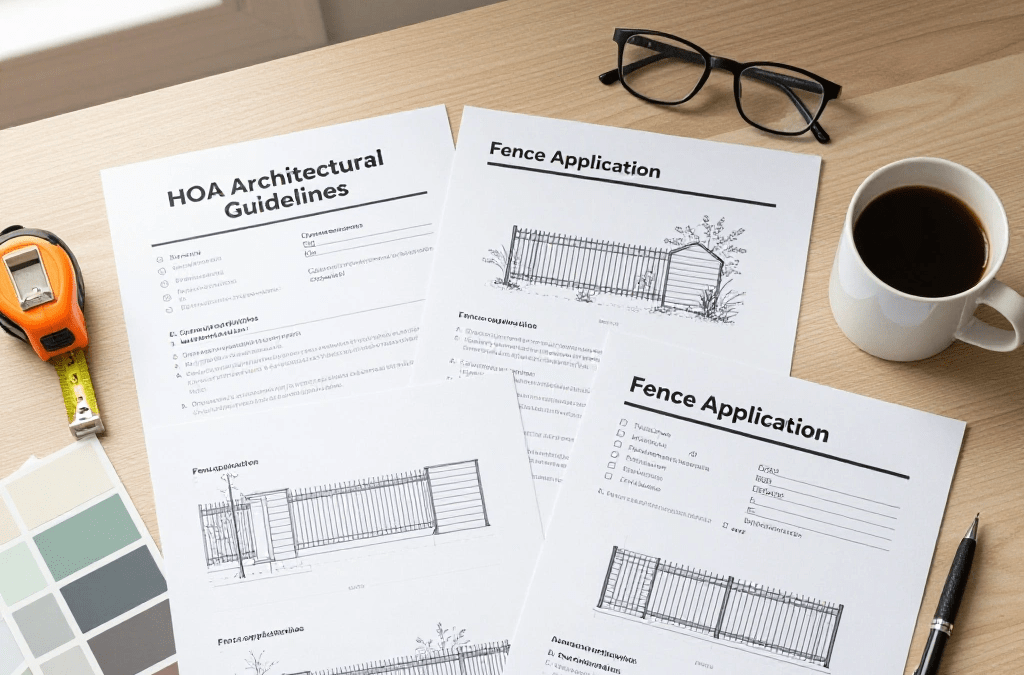
If you belong to a homeowner association, check its bylaws. They often dictate specific colors, styles, and spacing rules.
Always call your local utility protection service by dialing 811. They will mark underground gas, water, and power lines for free.
Wait for the utility markers to be placed before digging. This simple call prevents accidents and service disruptions.
4. Key variables that impact your project timeline and budget
Preparing your yard requires balancing several moving parts. Understanding these elements helps you budget your time and money.
The table below outlines common site challenges and their impact on the project.
| Site Challenge | Preparation Action | Impact on Project |
|---|---|---|
| Sloped ground | Grade the soil or choose stepped panels | Affects style choice and adds labor |
| Underground lines | Call 811 to mark utilities | Prevents dangerous and costly line breaks |
| Old barriers | Arrange for removal and disposal | Adds disposal fees if not done in advance |
| Soft or rocky soil | Clear rocks or wait for dry weather | Influences post hole digging depth and speed |
A study by Innovius Research found that homeowners spend an average of $2,641 on new fence installations. Managing these challenges early ensures your spending stays near the average.
If you plan to remove an old barrier yourself, do it a few days early. This ensures the site is ready when the new materials arrive.
Dispose of the old materials responsibly in accordance with local city guidelines. Many local recycling centers accept old wood or metal.

5. Final steps right before the crew arrives
The day before installation is all about safety and access. Ensure your gates are unlocked, and any outdoor outlets are turned on.
This phase of Residential Fence Setup also requires that you secure your pets. Keep dogs and cats indoors to protect them from loud noises and open yards. The same focus on safety applies when planning swimming pool fencing to help protect children and pets around the pool area.
Bonus Tip: Let your neighbors know when the crew is coming. It builds goodwill and helps them plan for the temporary noise.
Bonus Tip: Clear a parking space in your driveway. The installers will need easy access to their heavy tools and materials.
Make sure your outdoor water spigot is accessible. Crews sometimes need water to mix concrete for post footings.
Double-check your outdoor lighting to ensure the pathways are safe for early morning starts.
Things to consider before making your final choices
Even as your installation date approaches, keeping long-term spatial and usage needs in mind remains a critical step. If you are keeping active dogs, confirm that your chosen fence height and gap spacing will remain secure.
Also consider the maintenance demands of your selected material over the coming years. While natural wood requires ongoing staining, options like vinyl or aluminum only need an occasional wash.
Review the finalized layout of your gates with your crew before they dig. Ensure the openings are wide enough to accommodate riding mowers, trash bins, or pool equipment.
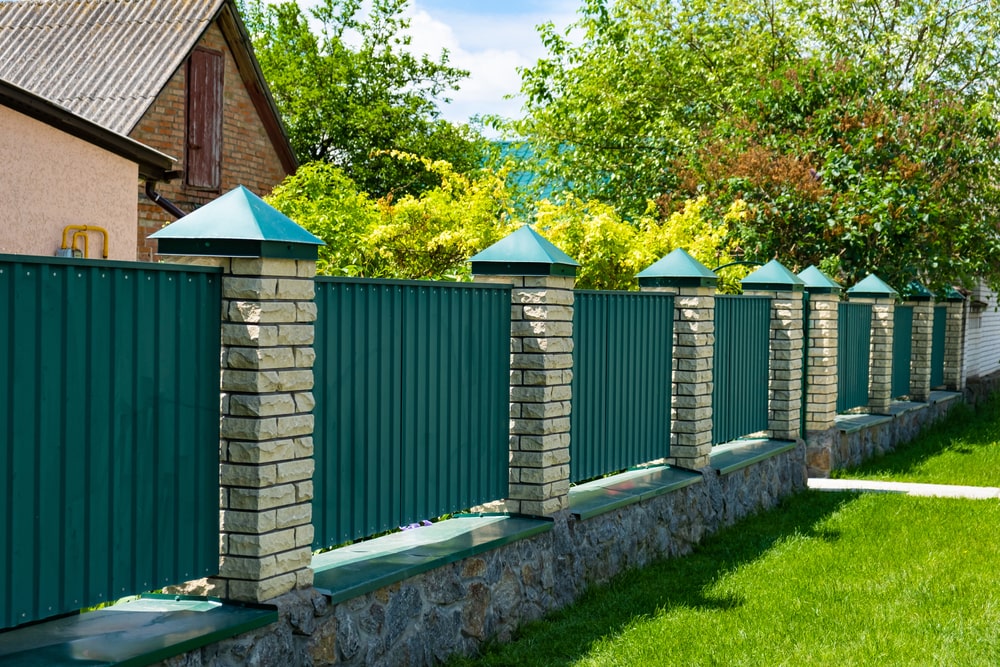
Verify that your selected design complements your property’s architectural style and exterior colors. Aligning these elements early prevents regret once the barrier is permanently set.
Set aside a small portion of your budget for post-project yard restoration. Heavy foot and equipment traffic inevitably wears down the grass along the construction boundary.
Evaluating your long-term options
Investing effort in preparing the property before installing the fence pays off by safeguarding your long-term outdoor investment. By clearing the work path, establishing legal boundaries, and securing permits, you ensure a smooth execution.
By aligning your yard’s unique layout with the right materials, you establish a reliable boundary. Consulting with our professionals helps finalize a durable design tailored specifically to your lifestyle.
Ready to secure your yard?
We want to help you build the perfect private sanctuary. Acme Fence offers a free quote to help you understand your options without any financial pressure. Our experienced team will guide you through the planning, permitting, and final builds. Do not leave your property’s security to chance when our experts can help. Contact us at info@acmefence.com or call (330) 784-0456 today to start your project with confidence.
Frequently asked questions about yard preparation
How far back from the property line should a fence be?
Most local laws require that the structure be set two to eight inches inside your property boundary to avoid legal issues with neighbors.
Do I need to talk to my neighbors before installing?
While not always legally required, it is highly recommended to build goodwill and avoid disputes over shared boundaries or shared maintenance.
Should I level my yard before installing a fence?
Minor sloping is fine, but severe slopes require grading or specialized stepped panels to avoid gaps at the bottom of your panels.
How deep do fence posts need to be set?
Posts generally must go down at least one-third of their total height, or below the local frost line, to prevent shifting.
How long does the average installation take?
Most standard residential and commercial builds take 1 to 3 days to complete once the holes are dug and the posts are set.
Sources
- Angi – Comprehensive cost database for residential fence installation.
- Raleigh Realty – Real estate and home improvement cost guide for zoning and permits.
- Innovius Research – Industry research report on residential fencing market sizes and consumer spending trends.