
Deciding among privacy, chain-link, vinyl, and aluminum fencing requires matching your primary yard goal to the specific strengths of each material. If complete visual separation and noise reduction are your top concerns, privacy fencing made from solid vinyl or wood is the ideal choice. If you need cost-effective perimeter security and pet containment, chain link fencing provides maximum value. If you want a clean aesthetic with zero painting or staining, vinyl delivers long-lasting privacy. If you want elegant perimeter styling, rust resistance, and easy installation on sloped ground, aluminum is the superior option.
Every property presents unique boundaries, municipal codes, and environmental exposures that influence material performance. Acme Fence evaluates site conditions, yard topography, and neighborhood rules to guide property owners toward options that avoid premature replacement costs. Data published by Grand View Research shows that metal fencing holds over 53% of the total market share, while vinyl and synthetic materials continue to grow rapidly due to low maintenance demands.
How Do You Compare Key Features Across Fence Materials
Each fence material offers distinct functional properties, structural traits, and aesthetic qualities. Understanding these core differences allows you to choose an option that meets your daily needs while aligning with your maintenance preferences.
Privacy Fencing
Privacy fencing creates a solid barrier that blocks sightlines into your outdoor living space. Solid panel structures prevent passersby and neighbors from seeing your backyard, patio, or swimming pool. These continuous walls also help reduce light wind gusts and mute ambient street noise, making privacy fence installation an effective way to create a more secluded and comfortable outdoor space.
While classic wood privacy panels offer natural beauty, they require ongoing maintenance, such as pressure washing, staining, and painting every few years, to prevent rot. Modern vinyl privacy options deliver the same visual blockage while resisting moisture damage, decay, and insect activity without needing regular chemical treatments. Homeowners comparing these options can explore fencing solutions for their property to find a balance between appearance, durability, and maintenance requirements.
Chain Link Fencing
Chain-link fencing prioritizes durability, functional boundary definition, and secure containment. Constructed from woven galvanized steel wire, this material allows wind to pass through freely, reducing structural stress during heavy windstorms or severe winter weather—key chain-link fence benefits for properties requiring a durable and low-maintenance boundary.
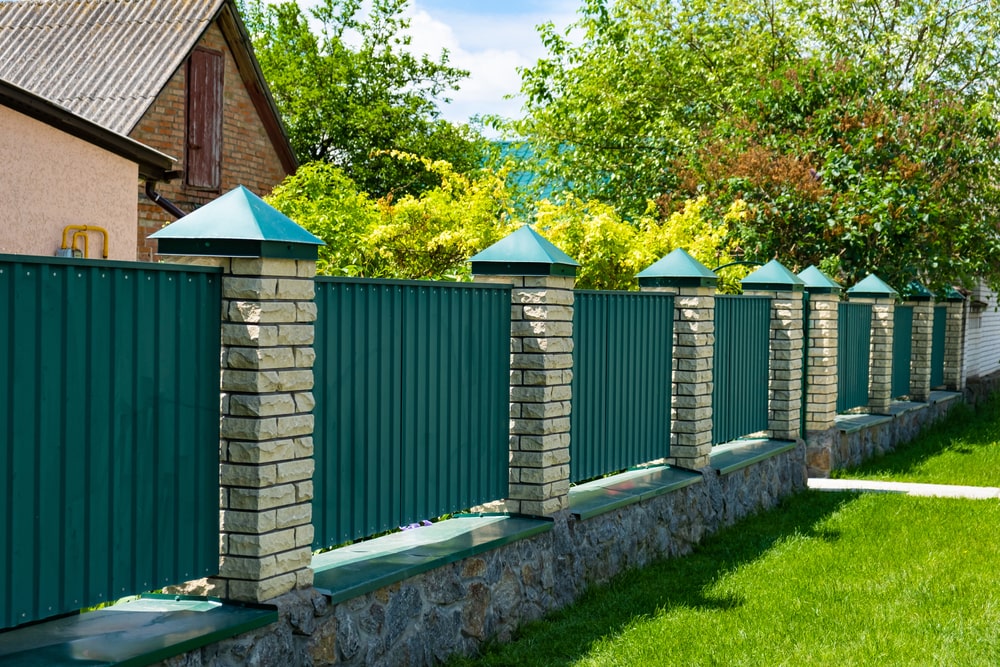
Property owners frequently choose chain-link fencing for large yards, pet runs, and side borders where full privacy is unnecessary. Galvanized wire provides strong rust protection, while color-coated vinyl finishes in black or green enhance curb appeal and provide additional protection against moisture.
Vinyl Fencing
Vinyl fencing is built from durable polyvinyl chloride resin, creating a rigid, weather-resistant structure. The solid surface does not absorb water, making it completely immune to rotting, warping, splitting, and pest damage that often affect traditional lumber panels.
Upkeep for vinyl systems is minimal, requiring only an occasional rinse with a garden hose or a mild detergent to remove dirt and algae. Vinyl panels retain their factory color throughout their lifespan, eliminating the need for periodic painting or sanding.
Aluminum Fencing
Aluminum fencing delivers the sophisticated look of traditional wrought iron without heavy weight or susceptibility to rust. Factory powder-coated finishes protect the metal posts and pickets from moisture, salt spray, and seasonal weather exposure.
Because aluminum panels feature rackable construction, installer crews can adjust individual sections to follow gentle slopes or steep hills smoothly. This adaptability keeps bottom gaps uniform along uneven ground while maintaining clean horizontal top lines across your property boundary.
Key Factors to Review Before Choosing Your Fence
Selecting the right material requires evaluating upfront installation expenses against long-term maintenance needs and structural performance.
An industry cost analysis by Angi indicates that average fence installation costs range from $1,860 to $4,840, depending on property size, total linear footage, and selected material grade. Chain link offers the lowest initial investment per foot, whereas solid vinyl panels and ornamental aluminum are priced higher due to raw material processing and hardware standards.
Durability data compiled by HomeAdvisor demonstrates that standard galvanized chain link provides a functional lifespan of roughly 20 years, while high-grade vinyl and powder-coated aluminum often perform reliably for 30 to 50 years with basic maintenance.
| Fence Material | Primary Purpose | Maintenance Level | Expected Lifespan | Privacy Rating |
|---|---|---|---|---|
| Privacy (Solid Panel) | Visual Separation & Sound Control | Moderate to High | 15 to 30 Years | High |
| Chain Link | Security & Pet Containment | Low | 20+ Years | Low |
| Vinyl | Low Maintenance & Full Privacy | Low | 30 to 50 Years | High |
| Aluminum | Decorative Boundary & Security | Minimal | 30 to 50+ Years | Low |
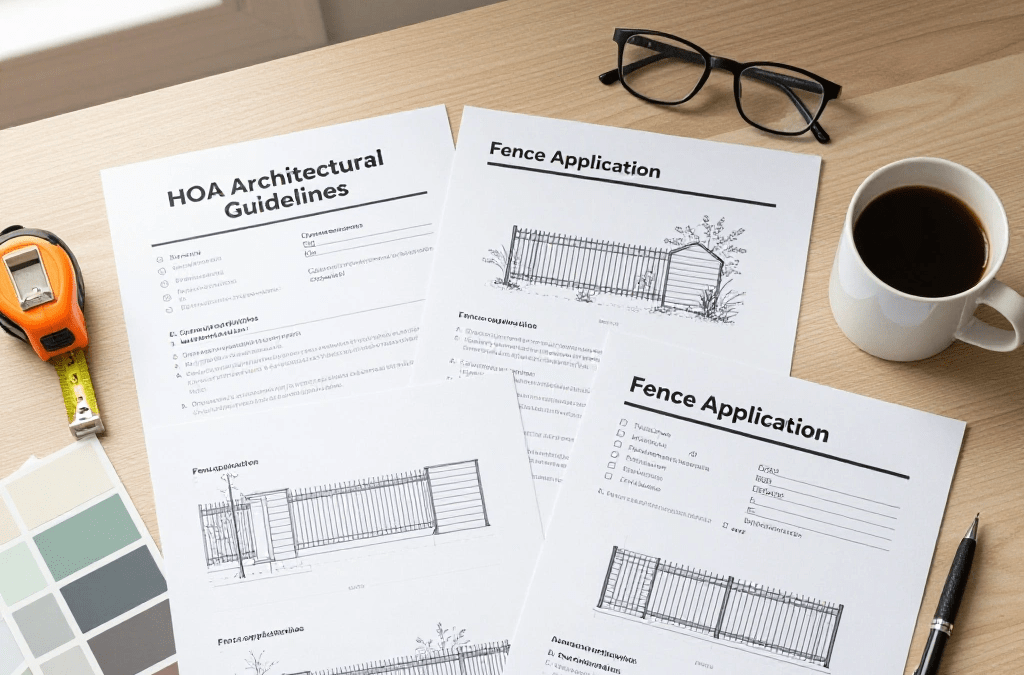
Bonus Tip: Check local zoning codes and HOA bylaws before ordering panels. Many residential communities enforce height restrictions, such as limiting backyard borders to six feet and front yard structures to four feet, or requiring specific color schemes.
Matching Specific Property Needs to Material Capabilities
Your final decision should directly support how you intend to use your yard and outdoor spaces.
If your priority is keeping energetic dogs or young children in the yard while maintaining open views across the surrounding neighborhood, chain-link or aluminum fencing provides security without obstructing sightlines.
If you frequently host outdoor gatherings, own a swimming pool, or want to block sightlines from nearby multi-story houses, solid vinyl privacy panels offer complete seclusion.
Bonus Tip: If you select chain link for its low initial cost but later decide you want visual screening, you can slide high-density polyethylene privacy slats directly into the wire mesh weave.
Evaluating Long-Term Cost and Maintenance Requirements
Looking beyond initial purchase pricing helps reveal the true lifetime financial commitment of each fencing option.
Chain link carries low initial material and installation costs, making it popular for covering large acreages. Adding a black or green vinyl coating protects the internal steel from rust and extends the total service life.
Vinyl demands a higher initial investment than basic wood or chain link, but it yields long-term savings by eliminating ongoing expenses for paint, stain, brushes, and replacement boards.
Aluminum requires a moderate to high upfront cost, but its rustproof nature and factory powder coating mean you will rarely incur repair or replacement expenses over its extended service life.

5 Direct Steps to Decide on Your Ideal Fence
- Define your core functional goal, such as pet safety, security, visual privacy, or decorative framing of the property.
- Measure your property lines accurately to determine the total linear feet, and note any gate access points.
- Review municipal zoning regulations, setback requirements, and HOA guidelines regarding permitted fence styles.
- Set a clear budget that accounts for upfront material costs, installation labor, and future maintenance expectations.
- Select material grades and finishes that best handle your local climate exposures and yard topography.
Choosing Your Optimal Border Solution
Deciding among privacy, chain-link, vinyl, and aluminum fencing comes down to identifying your functional priorities and aligning them with the materials’ capabilities. Balance your desire for visual solitude against your budget, maintenance tolerance, and site topography. Taking time to measure boundaries, consult local property rules, and evaluate long-term care requirements ensures your new fence protects your yard and maintains its value for decades.
Get Started on Your Next Fencing Project
Ready to choose the ideal enclosure for your residential or commercial property? Acme Fence provides guidance and professional installation tailored to your specific yard layout and financial goals. We work closely with you to deliver durable boundary solutions that enhance safety and curb appeal. Contact us today at (330) 784-0456 or email info@acmefence.com to request your free quote!
Frequently Asked Questions
How do I choose between vinyl and wood privacy fencing?
A: Vinyl requires higher upfront costs but needs no painting or staining. Wood costs less initially but requires regular sealing to avoid rot and insect damage over time.
Will an aluminum fence keep pets safely inside my yard?
A: Yes, standard aluminum fences secure medium and large pets. For smaller dogs, choose panels with closely spaced bottom pickets to prevent animals from squeezing through openings.
Is a chain link fence significantly cheaper than vinyl?
A: Chain link costs noticeably less for materials and labor. It provides durable pet containment and boundary security for property owners managing tight construction budgets.
Can vinyl fencing withstand severe winter freezing and snow?
A: Modern vinyl panels resist cold temperatures and heavy snow loading. Proper installation allows engineered PVC panels to expand and contract naturally without cracking during seasonal freezes.
Does aluminum fencing rust when exposed to moisture or pool water?
A: Aluminum does not rust because it contains no iron. Durable factory-applied powder coatings protect the metal posts and pickets against corrosion caused by rain, snow, and lawn sprinklers.
Sources
- Grand View Research – Industry analysis providing global fencing market data, material growth projections, and commercial trends.
- Angi – Comprehensive homeowner pricing guide analyzing average fence installation expenses across different materials.
- HomeAdvisor – Home improvement research database outlining material lifespans, maintenance requirements, and structural characteristics.