

Dog fences provide a secure physical or invisible boundary that prevents pets from wandering into traffic or getting lost while allowing them to move freely within a designated yard. By establishing these clear limits, you give your pets the ability to exercise, sniff, and play outdoors without the constant restriction of a handheld leash.
This guide explains the mechanics of various fencing systems and how they balance containment with animal welfare. We draw on years of field experience in perimeter security and animal behavior to provide you with a clear understanding of how dog fencing solutions work in real-world settings and support safe, reliable pet containment.
The Core Function of Perimeter Security for Pets
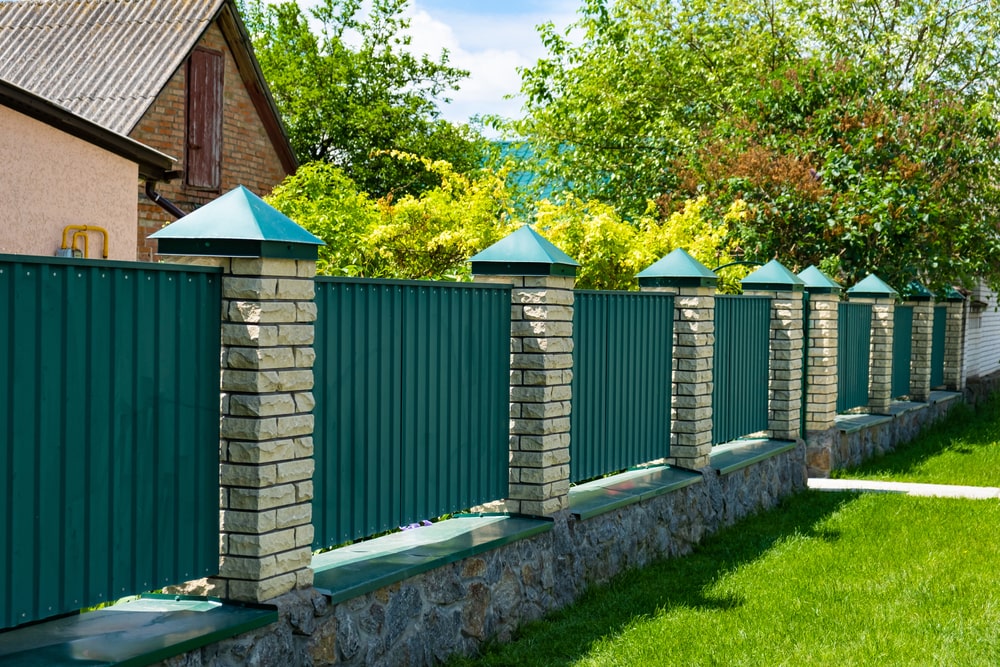
The primary goal of any containment system is to mitigate risks like vehicular accidents, dog theft, or aggressive encounters with stray animals. Modern fencing goes beyond simple wood or chain link by integrating technology and specialized materials, while privacy fencing options provide added security and controlled visibility for homeowners managing pets and outdoor spaces across different dog breeds and energy levels.
Physical barriers serve as visual and tactile deterrents, while electronic systems use audible tones or static pulses to teach a dog where the boundary lies. Both methods aim to create a predictable environment where a pet feels comfortable and secure.
Choosing the Right Style for Your Property
Selecting a fence depends on your pet’s size, jumping ability, and your local zoning laws. While some neighborhoods ban tall wooden structures, others may require specific materials for aesthetic consistency.
Physical fences provide 100% visibility, helping some pets understand their limits immediately. However, underground canine containment systems are popular among property owners who want to keep their view open while still ensuring their pet stays on the property.
| Fence Type | Primary Benefit | Main Consideration |
|---|---|---|
| Wood Privacy | Blocks visual triggers (mailmen, cars) | Requires regular staining or painting |
| Chain Link | Durable and cost-effective | Some can climb the mesh |
| Vinyl/PVC | Low maintenance and long-lasting | Can be more expensive upfront |
| Hidden/Electric | Preserves landscaping and views | Requires consistent training sessions |
| Wrought Iron | High strength and classic look | Small pets might squeeze through bars |
How Hidden Barriers Manage Pet Behavior
Invisible, or “hidden,” fences use a buried wire to transmit a radio signal to a collar worn by the pet. According to a summary of pet ownership statistics by Forbes Advisor, millions of households view pets as family members. This deep emotional bond has led to a higher demand for safety technology that protects the animal without altering the yard’s aesthetic.
When the dog approaches the edge, the collar emits a warning beep. If they continue, a mild correction is felt. This backyard safety fencing relies heavily on initial training to ensure the dog associates the sound with the boundary rather than getting confused.
4 Benefits of Solid Physical Barriers
Physical fences offer several advantages that electronic versions cannot match, particularly in terms of external threats.
- Visual Trigger Reduction: Solid walls prevent your dog from seeing people or other pets, which reduces territorial barking and stress.
- Protection from Intruders: A tall fence keeps stray animals or unauthorized people out of your yard, protecting your pet from external harm.
- Zero Power Reliance: Unlike electronic systems, a wood or metal fence doesn’t fail if the power goes out or a battery dies.
- Immediate Boundary Recognition: There is no learning curve; the dog sees the wall and knows it cannot pass.
Dealing with Diggers and Jumpers
Some pets are natural escape artists. For these pets, standard outdoor boundaries might need to be modified. Adding a “coyote roller” to the top of a fence can prevent a dog from getting the grip it needs to pull itself over.
For diggers, burying a portion of the fence underground or placing heavy stones along the base can stop them from tunneling out. Practical experience shows that most escape attempts happen when a dog is bored, so combining a secure fence with interactive toys is often the best approach.
Bonus Tip: If you have a high-energy jumper, avoid chain link fences. The “diamond” holes act like a ladder for paws. A smooth-surface fence, like vinyl or vertical wood slats, is much harder to scale.
Understanding the Costs of Installation
The price of pet containment varies wildly based on materials and labor. Data from HomeAdvisor indicates that professional fence installation typically ranges from $1,700 to $4,500, depending on the linear footage and material choice.
While DIY kits exist for electronic fences, professional installation ensures the wire is buried at the correct depth to prevent accidental cuts from lawn mowers or aerators. For physical fences, professional grading is often necessary to ensure there are no gaps at the bottom where a small dog could slip through.

Factors to Evaluate Before Choosing a System
Before you commit to a specific type of fence, you must look at your dog’s personality and your physical environment.
- Dog Temperament: A highly driven dog with a strong prey instinct might ignore a static correction to chase a squirrel, making a physical wall a safer bet.
- Property Topography: Steep hills or rocky soil can make digging trenches for wires or setting fence posts difficult and more expensive.
- Maintenance Capacity: If you don’t want to spend weekends painting or checking for rot, vinyl or metal options are superior to wood.
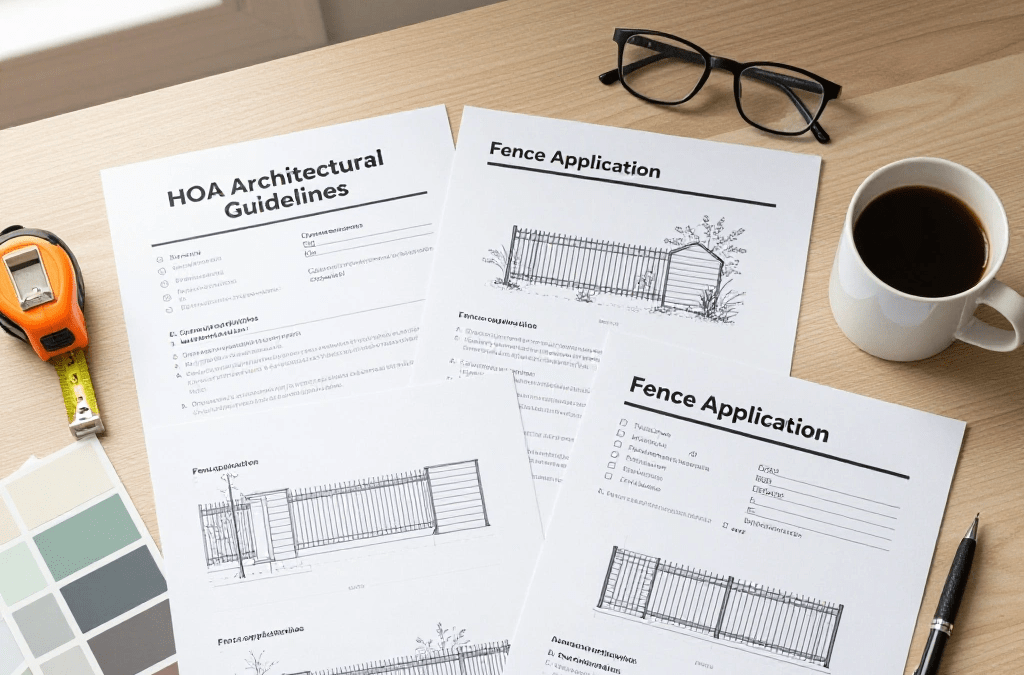
- Neighborhood Regulations: Check your Homeowners Association (HOA) rules first; many have strict limits on fence height and material.
3 Tips for Long-Term Fence Success
Maintaining your secure yard enclosures ensures they remain effective throughout your pet’s life.
- Regular Perimeter Checks: Walk your fence line once a month to look for loose boards, holes, or low spots.
- Collar Battery Schedule: For electronic fences, set a recurring calendar alert to change or charge the receiver collar.
- Vegetation Management: Keep bushes and tree limbs trimmed away from the fence so they aren’t used as “ladders” to hop over.
Bonus Tip: Use “puppy pickets” for smaller breeds. These are extra vertical slats added to the bottom half of a fence to decrease the space between bars, preventing pets from squeezing through.
Is Professional Installation Necessary?
While many property owners attempt a weekend DIY project, professional installers understand the local soil conditions and wind loads. According to safety standards outlined by the American Fence Association, proper post-setting is the most common point of failure for residential fences.
Experts also know how to handle “utility locates” to ensure that digging for your fence doesn’t sever a gas or water line. This expertise prevents costly repairs and ensures the structural integrity of the boundary for years.
Comparing Containment Methods
| Feature | Physical Fence | Electronic/Hidden Fence |
|---|---|---|
| Visibility | High | None |
| Keep Intruders Out | Yes | No |
| Aesthetic Impact | Significant | Minimal |
| Training Required | None | High |
| Typical Lifespan | 15-20 Years | 5-10 Years (Electronics) |
Final Touches: Enhancing Your Dog’s Experience
A fence shouldn’t feel like a cage. You can add “bubble windows” to solid fences so your dog can see the street without being able to get through. This satisfies their curiosity while maintaining the Dog Fences Protection they need.
Providing shade structures and water stations within the fenced area encourages your dog to stay out longer and enjoy their freedom. This creates a positive association with the yard, making them less likely to try to find a way out.
Conclusion
A well-planned fencing system offers the perfect middle ground for owners who want their pets to enjoy the outdoors without the risks of the open road. By evaluating your dog’s specific behaviors and your property’s layout, you can implement Dog Fences Protection that serves your needs for years. Always prioritize the physical and emotional well-being of your pet by choosing materials and technologies that encourage safe, stress-free exploration of their own backyard.
How to Get a Custom Solution
Our team focuses on creating environments where pets can thrive. We understand that every yard is unique and every pet has different needs. Whether you need a traditional privacy wall or a modern electronic barrier, we have the tools and experience to get the job done right.
You can reach us at Acme Fence by calling (330) 784-0456 or emailing info@acmefence.com. We are happy to discuss your specific property challenges and offer a free quote for your project. Let us help you find the perfect balance between safety and freedom for your furry family members.
Frequently Asked Questions About Pet Fencing
Will an electronic fence hurt my dog?
Most systems use a mild static pulse similar to the “zap” you feel from walking on carpet. It is designed to startle rather than cause physical pain to the animal.
How high should a fence be for a large dog?
For breeds like Labradors or Shepherds, a six-foot fence is standard. Some extremely athletic breeds might require higher barriers or specialized toppers to prevent them from clearing the top.
Can a dog climb a chain link fence?
Yes, many pets use the mesh as foot-holds to climb over. If your dog is a climber, consider a vertical slat fence or a solid vinyl wall that lacks grip.
Do hidden fences work for all pets?
They work for most, but those with very high prey drives or thick fur may require specialized collars or more intensive training to consistently respect the boundary.
How long does it take to train a dog on a fence?
For electronic systems, it usually takes about two weeks of consistent daily training. For physical fences, no training is required, as the barrier is self-explanatory.
Sources
- Forbes Advisor – Comprehensive data on pet ownership trends and spending in the United States.
- HomeAdvisor – A detailed breakdown of average costs for different types of residential fencing installations.
- American Fence Association – The leading industry resource for fencing standards, safety protocols, and professional installation practices.