
Aluminum fencing is a durable, low-maintenance solution for securing residential properties while adding aesthetic appeal. It stands out for its strength, resistance to rust, and variety of styles, making it a popular choice for homeowners who want longevity without constant upkeep.
- This aluminum fencing guide covers everything from selecting the right materials to long-term care for your property perimeter.
- Understand the financial aspects, including material prices and labor factors that influence your overall project budget.
- Learn about common installation challenges and maintenance routines to ensure your fence remains secure for years.
Why Choose Aluminum for Your Property
When selecting a material for residential boundaries, longevity and appearance often take center stage. Aluminum has become a standard in the industry because it does not rust or rot like wood or iron. According to industry data from HomeAdvisor, aluminum is one of the most requested materials for homeowners seeking a balance between security and curb appeal.
The Advantages of This Material
Aluminum fence benefits include its lightweight nature, which simplifies transportation and handling during the building process. Unlike steel, which requires regular painting or powder coating to prevent corrosion, aluminum naturally forms a protective oxide layer.
- Longevity: It survives harsh weather conditions, including high humidity and rain, without deteriorating.
- Aesthetics: You can select from various designs, including classic picket styles or modern flat-top panels.
- Security: High-strength rails provide a deterrent against intruders while maintaining visibility for your property.
Key Takeaways: Why Aluminum Excels. Aluminum is preferred for its high strength-to-weight ratio and ability to resist environmental damage. It provides a clean, professional look that requires minimal effort to keep in top shape over decades.
Understanding Available Options
Choosing the right product depends on your security needs and design preferences. Residential aluminum fencing comes in several grades and styles designed for different levels of usage.
Popular Design Styles
- Picket Top: The most traditional look, often used for pools or garden boundaries.
- Flush Bottom: A cleaner, more modern finish where the bottom rail covers the ends of the pickets.
- Spear Top: Offers increased security by using pointed ends that deter climbing.
Comparing Material Grades
| Grade | Primary Use | Strength |
|---|---|---|
| Residential | Standard homes | Moderate |
| Commercial | High-traffic areas | High |
| Industrial | Maximum security | Very High |
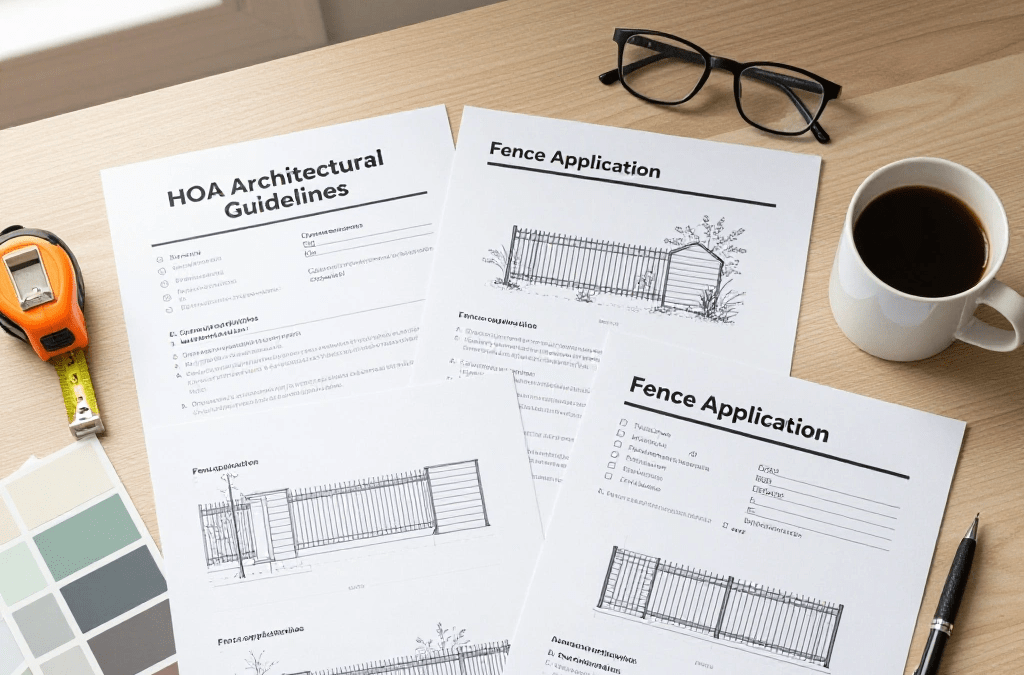
Expert Tip: Before purchasing, check your local homeowner association guidelines. Many areas have strict rules on fence height and color that you must follow to avoid costly changes later.
Choosing the Right Fence Height
Fence height should match the purpose of your property and any local requirements. A shorter aluminum fence can define a yard or garden without blocking the surrounding view, while a taller design may provide additional security around larger properties.
Consider nearby walkways, driveways, landscaping, and windows when choosing the height. Pool fencing may also have specific height and spacing requirements. Checking local regulations before purchasing materials helps ensure the finished fence meets both functional and compliance needs.
Planning and Budgeting
Before breaking ground, you need to understand the financial requirements. The total aluminum fence cost depends on linear footage, terrain difficulty, and labor rates in your area. Market reports from Fixr suggest that homeowners should budget based on both material quality and the complexity of the fence layout.
Factors Influencing Price
- Landscape Slope: Installing on flat ground is significantly cheaper than working on steep hills where panels may need to be “racked” or stepped.
- Gate Additions: Each gate requires extra hardware, posts, and installation time.
- Project Size: Larger perimeters often lower the per-foot cost due to bulk material purchasing and efficient labor usage.
Installation Essentials
Installing these systems correctly is vital for stability. If the posts are not set at the proper depth or level, the fence will lean or sag over time.
The Setup Process
The process starts with marking your property lines to ensure legal compliance. Once lines are clear, you drill post holes to the frost line depth to prevent movement during winter ground shifts. Professional contractors emphasize that setting posts in concrete is the only way to ensure lasting structural integrity.
- Layout and Marking: Use string lines to maintain straight boundaries.
- Digging: Ensure holes are deep enough to support the fence weight.
- Panel Attachment: Secure panels to the posts, ensuring every section is level.
Expert Tip: Always call local utility companies to mark underground lines before digging. Hitting a water or electrical line causes expensive delays and safety hazards.
Planning Gates and Access
Gates should be included in the fence layout before installation begins. Determine whether the property needs a pedestrian gate, vehicle gate, or both, and position each opening where it will provide convenient access.
Gate posts require strong support because the repeated movement of the gate places additional stress on the surrounding structure. Choose hinges and latches designed for outdoor use and sized appropriately for the gate. After installation, check that the gate opens, closes, and latches smoothly without dragging against the ground.
Caring for Your Investment
Proper aluminum fence maintenance is straightforward, but it remains necessary to keep the finish looking new. Because the material does not rust, you do not need to worry about scraping or repainting.
Routine Care Steps
- Periodic Cleaning: Use a mild soap and water solution to wash away dust and pollen annually.
- Hardware Checks: Tighten gate latches and hinges every six months to ensure smooth operation.
- Vegetation Control: Keep climbing vines away from the fence, as they can trap moisture and debris against the finish.
Key Takeaways: Long-Term Maintenance. A simple wash once a year is usually enough to maintain the factory powder coating. Focus your effort on checking hinges and latches, as these moving parts experience the most wear.
Inspecting Aluminum Fence Damage
Although aluminum requires little maintenance, periodic inspections can help identify problems early. Check the posts and rails after severe weather for movement, dents, loose connections, or damaged sections.
Pay particular attention to gates because hinges and latches experience more wear than fixed fence components. If the powder coating becomes scratched, address the damaged area according to the manufacturer’s recommendations to help protect the underlying metal.
Keeping the area around the fence clear also makes inspections easier and prevents plants from placing unnecessary pressure on the structure.

Putting Your Aluminum Fencing Strategy into Action
Choosing the right perimeter solution involves balancing your budget with your long-term goals for property security and appearance. By selecting the correct grade and following professional installation practices, you ensure that your fence remains a durable, attractive addition to your home. Professional fencing solutions can help property owners evaluate their options and plan projects based on their specific needs. Use the information in this guide to evaluate your needs, prepare your landscape, and maintain the quality of your investment over the coming years.
Need Expert Guidance?
If you have questions about specific projects or need help determining the right residential aluminum fences for your home, feel free to reach out. Acme Fence provides professional consultation to help you plan your property layout effectively. You can contact us by calling (330) 784-0456 or by sending an email to info@acmefence.com. We are ready to assist you in making the best choice for your property.
Frequently Asked Questions About Aluminum Fencing
How long does an aluminum fence last?
With proper installation, these fences often last for several decades. Most manufacturers provide warranties covering the powder coating for 20 years or more.
Does aluminum rust?
No, aluminum does not rust. It is a non-ferrous metal, meaning it lacks iron, which is the primary cause of rust in other materials like steel or wrought iron.
Is aluminum fencing better than vinyl?
It depends on your goals. Aluminum is stronger and handles heat better than vinyl, while vinyl offers a solid privacy screen that aluminum cannot match without additional inserts.
Can I install this fence on a sloped yard?
Yes. You can either use a “racking” method, where the fence follows the angle of the slope, or a “stepped” method, where each panel is installed at a different height to create a stair-step look.
How do I maintain the color of my fence?
The factory-applied powder coating is very durable. Avoid using harsh chemicals or abrasive scrubbers, as these can scratch the finish and expose the metal to the elements.
Sources
- HomeAdvisor – A comprehensive resource for residential fencing costs and installation estimates.
- Fixr – A cost guide detailing the variables that impact the price of aluminum fence projects.