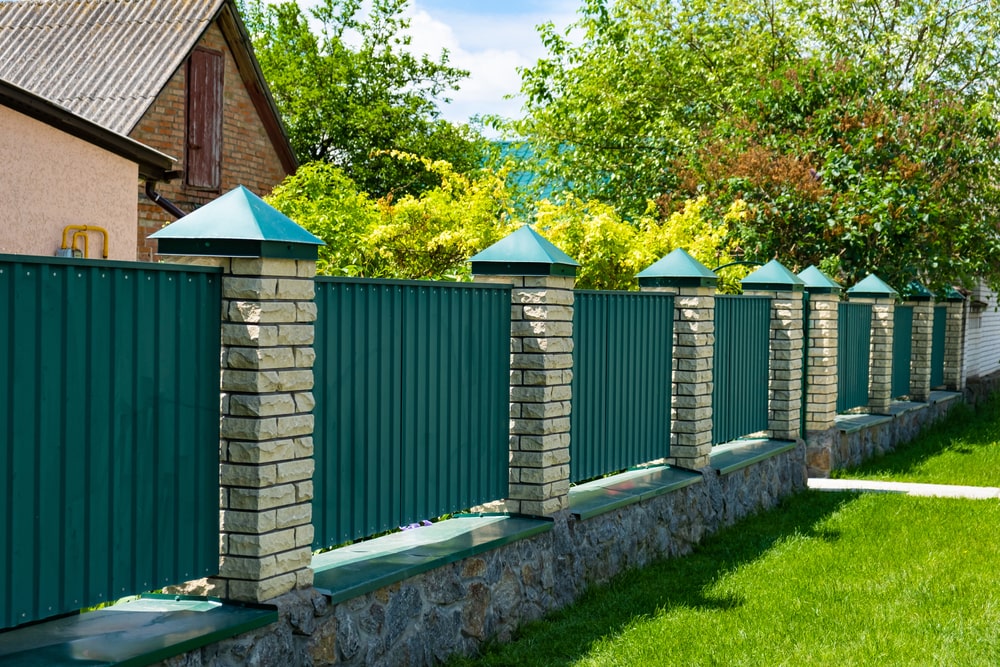


Choosing the right Dog Fence requires evaluating your yard size, your pet’s breed, and your budget. Solid enclosures provide maximum security, while open slat designs offer visibility. Dog fence installation services can help you select a barrier designed to prevent jumping, digging, and climbing.
We bring years of hands-on experience helping property owners secure their yards effectively. You will find comprehensive details here to make an informed choice for your home. Acme Fence guarantees practical, tested advice for creating safe outdoor spaces.
Our guide breaks down material options, safety features, and layout planning. Understanding these elements helps you avoid costly mistakes and frequent repairs.
Why Proper Enclosures Matter for Pets
Keeping pets safe at home prevents accidents and injuries. Unsecured yards leave animals vulnerable to traffic and wildlife encounters. A physical barrier gives them freedom to run without constant supervision.
A report from American Humane reveals that millions of pets get lost each year. Secure perimeters directly reduce this risk by keeping animals contained. The primary Dog Fence Benefits include peace of mind and creating clear property boundaries.
Visual barriers also reduce barking triggered by passing pedestrians or neighborhood animals. Blocking the line of sight keeps highly reactive breeds much calmer. This simple addition creates a quieter environment for you and your neighbors.
How Do You Pick the Right Material
Evaluating different Dog Fence Types helps match the material to your specific situation. Wood offers privacy but requires regular maintenance and staining. Vinyl needs little upkeep and provides a clean, modern look.
Chain link stands out for durability and cost-effectiveness for large areas. Aluminum provides a classic wrought iron appearance without the heavy rust issues. Vinyl fence options offer another choice, with benefits that depend on your climate and aesthetic preferences.
| Material | Visibility | Maintenance Level | Average Lifespan | Cost Factor |
|---|---|---|---|---|
| Wood | Low | High | 10 to 15 Years | Moderate |
| Vinyl | Low to Medium | Low | 20 to 30 Years | High |
| Chain Link | High | Low | 15 to 20 Years | Low |
| Aluminum | High | Low | 30 plus Years | Very High |
Crucial Pre-Decision Factors to Evaluate
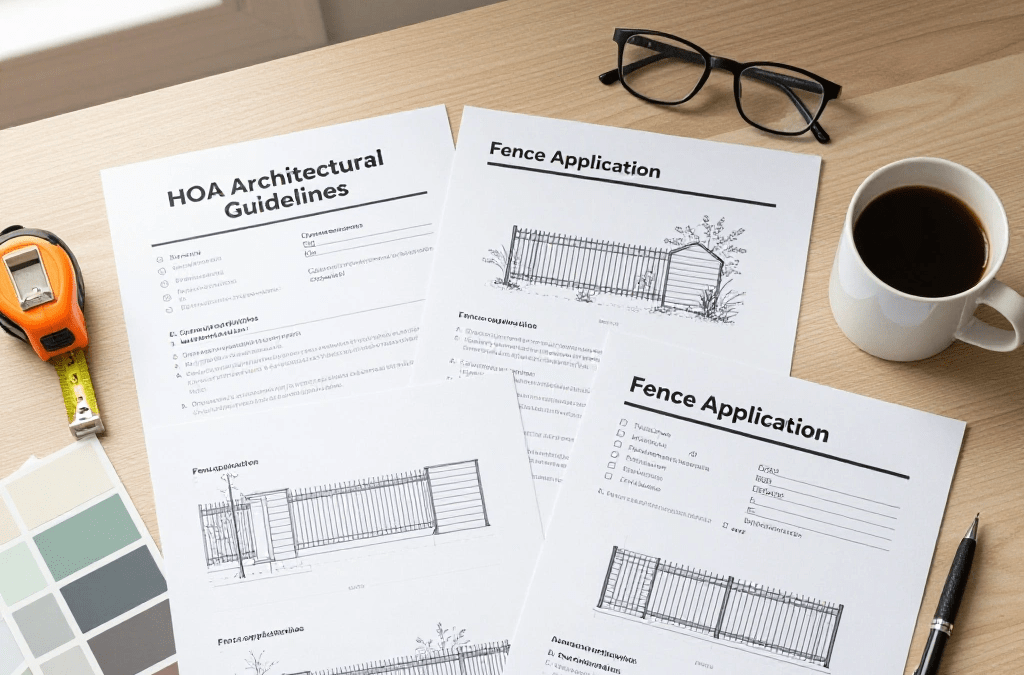
Before committing to a style, analyze your local zoning laws and HOA rules. Some neighborhoods restrict heights, colors, or materials for Residential Dog Fencing. Failing to check these guidelines can result in forced tear-downs.
Evaluate the jumping ability and digging habits of your specific breed. High-energy sporting dogs often require six-foot barriers to prevent escapes. Terriers and hounds might need underground deterrents to stop them from tunneling.
A study by the American Veterinary Medical Association shows that adequate yard space directly impacts pet health. Maximizing your enclosed area gives animals more room for healthy exercise.
Bonus Tip 1
Always bury the bottom rail a few inches underground if you own a known digger. You can also lay chicken wire horizontally under the dirt along the perimeter.
Addressing Specific Behavioral Challenges
Animals with high prey drive will chase squirrels or rabbits relentlessly. Solid panels work best for these breeds because they eliminate the visual trigger. Gaps between pickets can frustrate dogs and lead to aggressive chewing.
Climbers present a unique challenge for property owners. Chain link provides easy footholds for clever animals to scale the barrier. Smooth vinyl or tightly spaced wood panels deny them the grip needed to escape.
Chewers can easily destroy thin wooden pickets or weak plastic mesh. Heavy gauge metal or thick vinyl stands up better to strong jaws. Inspect your perimeter regularly for signs of damage or wear.

Understanding the Setup Process
Proper Dog Fence Installation guarantees long-term stability and safety. Setting posts below the frost line prevents shifting during freezing winter months. Using quality concrete secures the posts firmly against strong winds and heavy leaning.
Mixing different materials can balance your overall project cost and aesthetics. You might use decorative wood facing the street and chain link in the back. View our Google Business Profile to explore our local business information and customer feedback. Modern Dog Fence Systems often combine physical barriers with smart locked gates for added security.
Gates represent the weakest point in any yard enclosure. Installing self-closing hinges and secure latches prevents accidental escapes.
Bonus Tip 2
Schedule utility marking before digging any post holes to avoid hitting underground pipes. This free service prevents dangerous accidents and expensive utility repairs.
Maintaining Your Outdoor Enclosure
Regular upkeep extends the life of your investment significantly. Wash vinyl panels twice a year to prevent mold and algae buildup. Check wood panels for rot, splintering, or loose nails every spring.
Metal options require periodic checks for rust spots or loose hardware. Applying a rust-inhibiting spray keeps hardware functioning smoothly. Keep vegetation trimmed away from the base to prevent moisture damage.
Winter weather causes ground expansion that can shift your posts. Walk the perimeter after the spring thaw to check for wobbly sections. Early repairs prevent minor issues from becoming major structural failures.
Final Takeaways on Property Security
Evaluating your specific yard layout and pet habits leads to the best enclosure choice. Choose a dog fence for curb appeal by comparing materials, weighing maintenance needs, and respecting local building guidelines. Ensure your chosen Dog Fence aligns with your long-term property goals.
Take time to assess your animal’s unique behaviors before buying materials. Proper planning prevents escapes and keeps your furry family members safe. Review your options carefully and prioritize quality materials for the best results.
Secure Your Yard with Us Today
We want to help you build the perfect boundary for your home. Reach out to Acme Fence for a free quote tailored to your specific yard requirements. Our team is ready to guide you through material selection and layout planning. Call us at (330) 784-0456 to discuss your upcoming project. You can also email us directly at info@acmefence.com. Let us create a secure outdoor space for your pets.
What Are the Most Common Inquiries About Pet Enclosures
How high should my barrier be?
Most medium to large breeds require a six-foot barrier to prevent jumping. Smaller breeds usually stay safe behind a standard four-foot design. Always check local height regulations.
Can I install this myself?
DIY setup is possible if you have construction experience and proper tools. Hiring professionals saves time and ensures correct post depth for maximum stability.
What material prevents digging best?
Setting wood or vinyl panels flush with the ground helps. Adding an underground wire mesh or concrete footer provides the strongest defense against active diggers.
How long does setup usually take?
Most residential projects take two to three days to finish. Weather conditions, yard size, and soil type can extend this timeline by a few extra days.
Do I need a permit for this?
Many cities require permits before you begin digging or building. Always consult your local building department and HOA guidelines to avoid fines and forced removals.
Sources
- American Humane – Provides statistical data on pet safety and the frequency of lost animals.
- American Veterinary Medical Association – Offers clinical research on pet health and the importance of secure outdoor exercise spaces.