

Choosing the right dog fence requires balancing the specific containment needs of your pet’s breed and temperament with the architectural style of your home. To maintain curb appeal while ensuring safety, homeowners should select materials like ornamental aluminum, vinyl fence options, or high-quality wood that complement the house exterior while meeting local height requirements.
This guide provides a detailed look at selecting fencing that secures your yard without making it look like a high-security facility. We draw on years of hands-on experience at Acme Fence to help you evaluate materials, costs, and design strategies that work for both your pet and your property value.
Determine the containment needs of your dog
Safety starts with understanding how your dog interacts with boundaries. A small terrier might require pickets spaced closely together to prevent squeezing through, while a large, athletic breed may need a taller structure to discourage jumping. According to data from the American Kennel Club, some breeds are natural diggers or jumpers, which dictates whether you need a subterranean tension wire or a flat-top design.
Consider your dog’s line of sight as well. If your pet is reactive to passing cars or pedestrians, a solid privacy fence installation service might be better for their anxiety and your neighbors’ peace. If your dog is calm and enjoys watching the world go by, an open-spaced picket or rail system maintains an airy feel for your landscape.
Select materials that match your home style
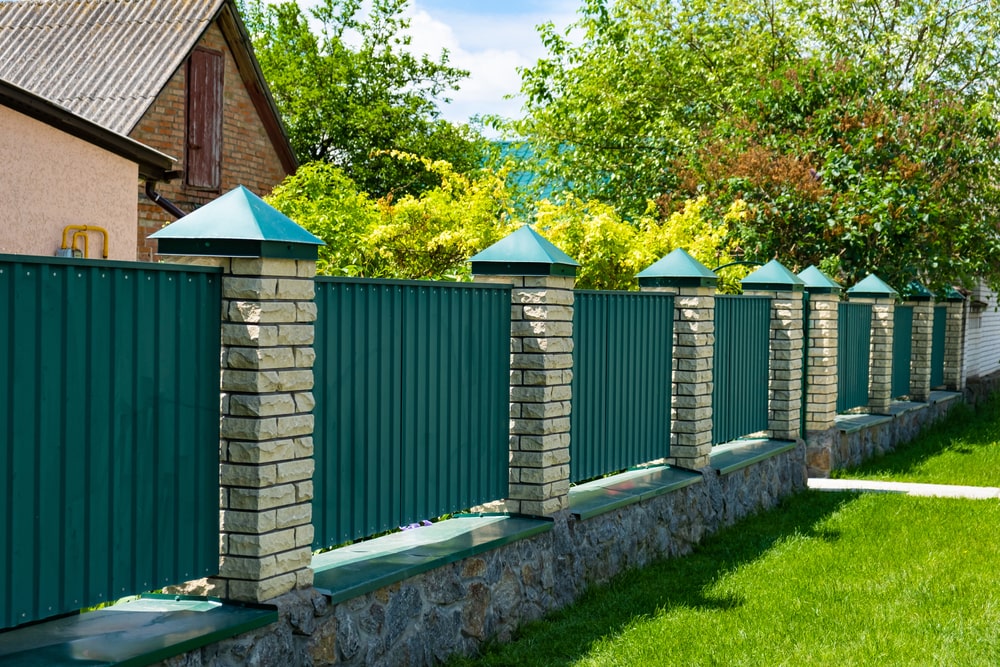
The material you choose is the biggest factor in curb appeal. Modern homes often look best with sleek, black aluminum that mimics the look of wrought iron. Traditional or colonial homes are well-suited for classic white vinyl or natural wood pickets. Choosing a fencing solution that matches the trim or accent colors of your house creates a cohesive look.
Bonus Tip: If you choose a wood fence, opt for cedar or pressure-treated pine and apply a high-quality stain rather than paint. Stains peel less often and highlight the natural grain, keeping the yard looking upscale for years.
| Fence Type | Aesthetic Impact | Durability | Maintenance Level |
|---|---|---|---|
| Ornamental Aluminum | High / Elegant | Very High | Low |
| Vinyl Picket | Classic / Clean | High | Low |
| Wood Privacy | Rustic / Natural | Medium | High |
| Chain Link | Industrial | High | Low |
Evaluate local zoning and HOA rules
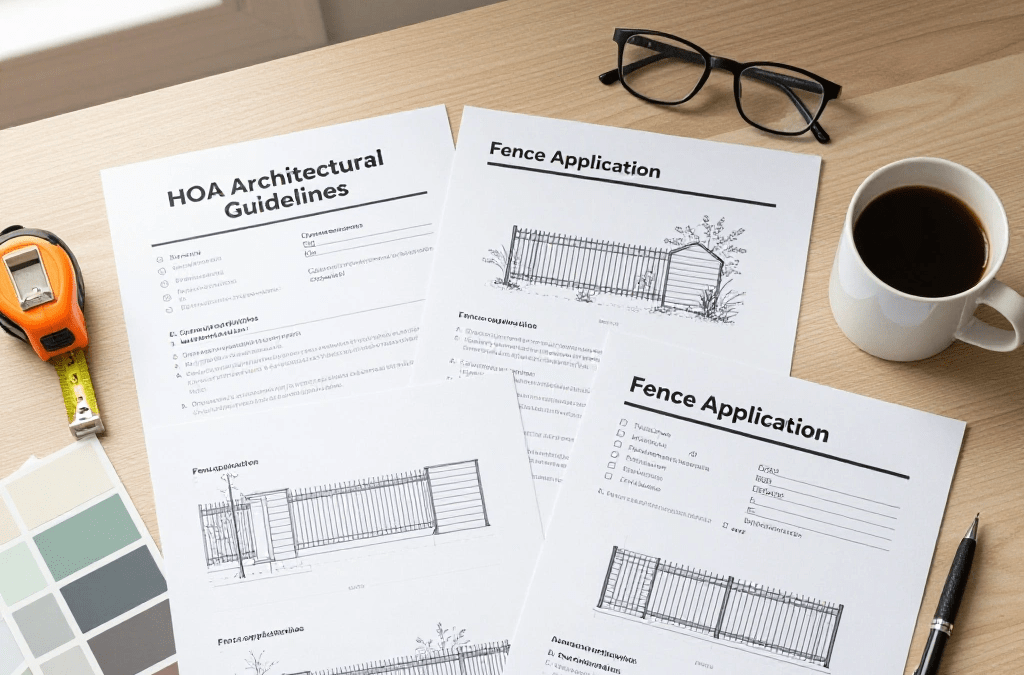
Before settling on a design, check your local building codes and Homeowners Association (HOA) guidelines. Many neighborhoods have strict rules regarding height, material, and even the “good side” of the fence facing out. Following these rules prevents costly teardowns and ensures your new installation adds to the neighborhood’s collective appeal. Understanding fence facing requirements can help you avoid installation issues.
A report by the National Association of Realtors indicates that well-maintained fencing can actually improve property marketability, provided it aligns with neighborhood standards. We often see homeowners forget to check for underground utility lines before digging, which can cause significant delays and safety risks.
Compare visibility and privacy trade-offs
Privacy fences are great for reactive dogs, but they can make a small yard feel cramped. If you want to keep your view, consider a “puppy pickets” style of aluminum fencing. These have extra vertical bars at the bottom to keep small dogs in, while the top remains open and unobtrusive.
Bonus Tip: To soften the look of a tall privacy fence, use “layered landscaping.” Plant various heights of shrubs or perennials in front of the fence line to break up the solid wall of material and blend it into the garden.
Consider the long-term costs of maintenance
Curb appeal isn’t just about how the fence looks on day one. It’s about how it looks in year five. While wood is often the most affordable upfront, it requires staining or sealing every few years to prevent rot and graying. Aluminum and vinyl are more expensive initially but stay looking new with just an occasional wash.
Recent market analysis from IBISWorld suggests that the demand for low-maintenance outdoor living products continues to rise as homeowners prioritize longevity. Investing in durable materials ensures the safety of your pet remains constant without your yard becoming an eyesore due to weathering.

Address the bottom gap and digging
A fence that looks beautiful but lets a dog crawl underneath is a failure. For dogs that dig, you can install a “crushed stone” border or a “no-dig” metal skirt that sits just below the grass line. This keeps the perimeter secure without changing the outward appearance of the fence.
Using a tension wire at the bottom of chain link or certain wire fences can also prevent the mesh from being pushed out. This is a practical step that maintains the structural integrity of the barrier over time.
Safety features to check before installation
- Gate latch height and locking mechanisms.
- Picket spacing (generally 4 inches or less for most dogs).
- Soil stability to prevent post-leaning.
- Proximity to “launch pads” like large rocks or woodpiles that dogs could jump from.
Maintaining a beautiful and secure perimeter
A successful dog fence serves two masters: the pet’s safety and the homeowner’s pride. By selecting high-quality materials and considering the specific behaviors of your dog, you create a space that is both functional and attractive. Regular inspections of the gate hardware and the fence base will keep the system working perfectly for years. Pet-safe fencing solutions can provide dogs with secure outdoor freedom while complementing your property.
Evaluate your specific yard layout and the size of your pet before making a final purchase. Every property has unique challenges, from sloped ground to existing trees, that will influence which fencing style provides the best results for your home’s exterior.
Reach out for professional fencing guidance
We are here to help you find the perfect balance between pet security and home aesthetics. Acme Fence provides expert advice and quality installations tailored to your specific needs. Contact us at (330) 784-0456 or email info@acmefence.com to discuss your project. We look forward to providing a free quote for your upcoming property improvements and ensuring our services keep your pets safe in a beautiful yard.
Common questions about pet fencing and aesthetics
How can I make my dog fence more attractive?
You can improve the look of a dog fence by adding decorative post caps, using high-quality stains on wood, or planting ornamental grasses and flowers along the base to soften edges.
What is the safest fence height for large dogs?
Most large dogs require a fence at least six feet tall. However, for exceptionally athletic breeds or notorious jumpers, you may need to consider specialized toppers or increased height based on behavior.
Can I use a split rail fence for a dog?
Split rail fences are attractive but have large gaps. To make them pet-safe, we recommend attaching a black vinyl-coated wire mesh to the interior side, which provides security while remaining nearly invisible.
Are “invisible” electronic fences better for curb appeal?
While electronic fences don’t change the yard’s look, they do not provide a physical barrier against stray animals or intruders. Many experts prefer physical fences for more reliable, two-way protection.
How do I stop my dog from seeing through a metal fence?
If your dog is distracted by movement, you can install decorative privacy slats or use high-density mesh screens. Alternatively, planting a thick hedge inside the fence line blocks the dog’s view effectively.
Sources
- American Kennel Club – Provides breed-specific behavioral data and containment recommendations for dog owners.
- National Association of Realtors – Offers research on how home improvements like fencing impact property values and neighborhood aesthetics.
- IBISWorld – Supplies market trends and data regarding the fencing and outdoor home improvement industry.