
Privacy slats and protective coatings are the two most effective upgrades for a standard chain link fence. Privacy slats insert into the mesh to block sightlines and reduce wind, while coatings protect the metal from rust and improve the overall appearance. These additions turn a basic perimeter barrier into a long-lasting, private enclosure that serves specific property needs, making them a key part of chain link fencing upgrade solutions.
Many property owners overlook chain-link fencing because of its industrial or transparent appearance. However, with the right modifications, this fencing style offers a balance of security and aesthetics that rivals wood or vinyl, similar to solutions used in secure swimming pool fencing systems. Acme Fence has extensive experience upgrading existing fences to meet privacy goals without requiring a full replacement. This guide covers the practical aspects of selecting and installing these improvements.
Understanding Privacy Slats
Privacy slats are strips made from high-density polyethylene (HDPE) or aluminum that slide vertically through the diamonds of the chain link mesh. Manufacturers design them to interlock, creating a solid barrier that can block anywhere from 75% to 100% of visibility. The material is UV-resistant to prevent fading and cracking over time. Wind load is a critical factor here. Because slats reduce airflow, they catch the wind like a sail. A report from The American Fence Association emphasizes the importance of checking structural integrity before adding slats, as the increased wind pressure can strain posts and foundations if the fence was not originally built to handle it.
Types of Slats
Several varieties exist on the market, each serving different needs.
- Inserted Slats: The most common type. These slide down through the mesh and often feature a “wing” design that closes the gaps between slats.
- Tubular Slats: These are hollow tubes that offer more rigidity and privacy than flat inserts but are generally more expensive.
- Fence Toppers: These L-shaped strips attach to the top of the fence to add height and privacy without blocking the entire view.
Market Trends
Industry data suggests a shift toward low-maintenance fencing solutions. According to a report by IBISWorld, demand for fencing products has grown steadily, driven by residential construction and a need for security upgrades. Homeowners increasingly prefer upgrades that extend the life of existing structures rather than full replacements, making slats an attractive option.
Protective Coatings and Finishes
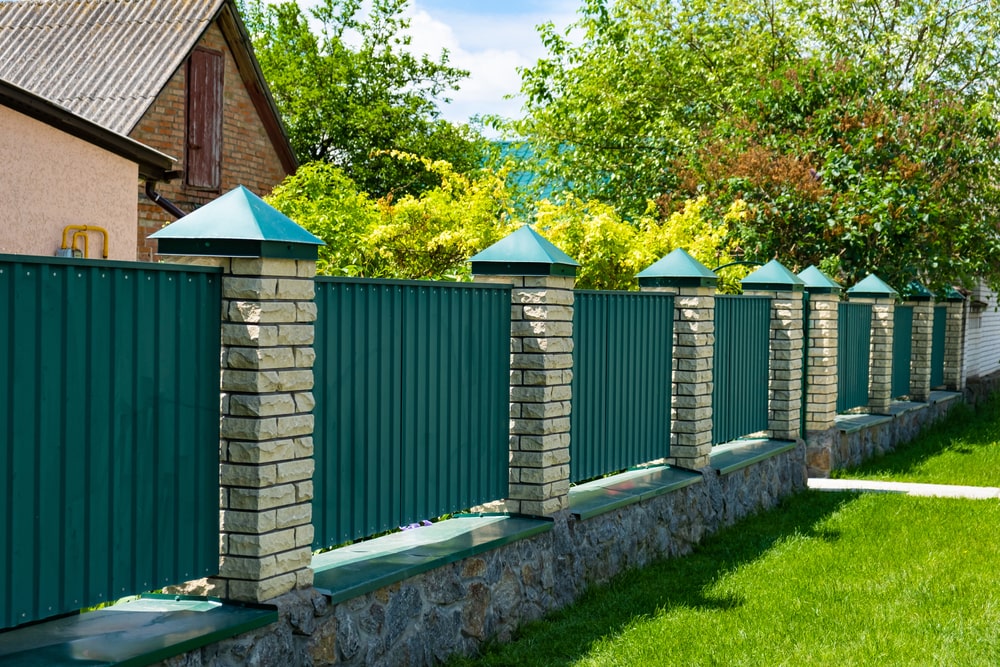
The metal framework of a chain link fence requires protection to prevent corrosion. The standard finish is galvanized steel, which uses a layer of zinc to stop rust. For a more finished look, manufacturers often apply a vinyl or polyester coating over the galvanized steel. This coating is available in various colors, with black, green, and brown being the most popular choices for blending into the landscape, often preferred over cedar wood fencing options for a more natural aesthetic.
Coating Comparisons
Choosing the right coating depends on the climate and the desired visual outcome.
| Coating Type | Durability | Aesthetics | Best For |
|---|---|---|---|
| Galvanized | High (Silver finish) | Industrial look | Commercial sites, backyards |
| Vinyl Coated | Very High | Color options, smooth finish | Residential homes, pools |
| Powder Coated | High | Thick, durable color | Custom color projects |
Regional Considerations
Climate plays a major role in coating selection. In coastal areas where salt air accelerates rust, a heavy-gauge vinyl coating is often necessary to protect the underlying steel. Inland regions with less humidity may do well with standard galvanized steel. Data from HomeGuide indicates that vinyl-coated fences typically command a higher upfront cost but offer superior longevity in harsh weather conditions compared to bare galvanized options.
Installation and Structural Integrity
Adding weight to a fence requires attention to detail. When installing privacy slats, the terminal posts, the posts at the ends and corners, must withstand the tension of the mesh plus the added wind resistance of the slats, a factor often highlighted in fence installation best practices for long-term durability. If the existing fence posts are set in concrete or are large enough in diameter, the fence will likely handle the upgrade. If the posts are lightweight or the concrete footing is shallow, the wind may pull the posts out of the ground over time.
Bonus Tips
- Bottom Locking Channel: Install an aluminum wire at the bottom of the fence before inserting slats. This wire threads through the bottom mesh and keeps the slats from swinging or being pushed up by animals or lawn equipment.
- Clean First: Always pressure wash the fence before inserting slats. Trapping dirt and debris against the metal can lead to moisture buildup and rust over time.
- Buy Extra: Purchase about 10% more slats than needed. This accounts for damage during installation and provides replacements for future repairs.

Things to Consider Before Making a Decision
Evaluating the specific needs of the property helps avoid costly mistakes.
- Wind Exposure: Properties in open fields or high-wind areas need slats with holes or vents to allow some air passage. Solid slats create a massive sail effect that can topple fences.
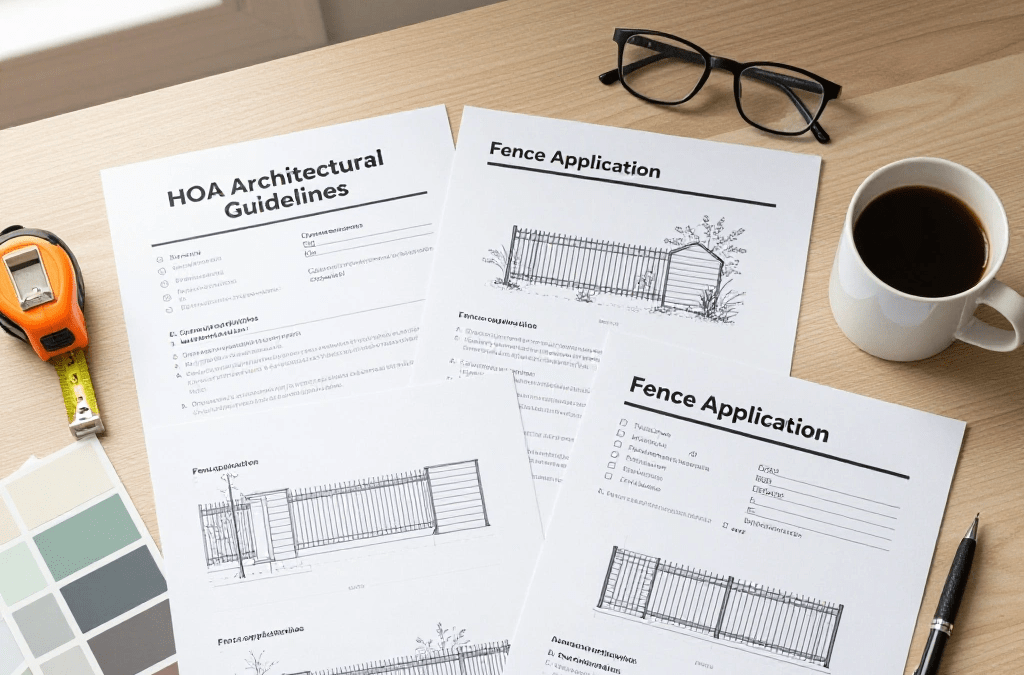
- HOA Regulations: Check local covenants. Some homeowner associations restrict fence heights or the types of materials allowed.
- Budget: Slats are generally a mid-range option. They are more expensive than growing hedges for privacy, but cheaper than replacing a chain link fence with a wood or vinyl privacy fence.
- Visibility Goals: Consider whether total privacy is required. Tubular slats often block 90% of the view but allow airflow, making them suitable for pools where supervision is still necessary.
Conclusion
Upgrading a chain link fence with privacy slats and coatings is a smart investment for improving security, aesthetics, and longevity. These modifications solve the common drawbacks of chain link fencing without the high cost of total replacement. By carefully considering wind load, climate, and material quality, property owners can achieve a durable and private perimeter. Assess the specific environmental conditions of the property and the desired level of maintenance before making a purchase. Acme Fence recommends consulting with a professional to ensure the existing structure can support the intended upgrades.
Contact Acme Fence
Ready to upgrade your fence? Reach out to discuss your specific needs and get expert advice on the best materials for your property. Contact our team at Acme Fence (330) 784-0456 to schedule a consultation or request a quote. Professional installation ensures the job is done right the first time.
FAQs
How much does it cost to add slats?
Costs vary by material and fence height. Generally, homeowners can expect to pay per linear foot, which is significantly less than the cost of a new privacy fence.
Can Acme Fence install slats on an old fence?
Yes, as long as the existing framework is in good condition. Technicians inspect the posts and hardware to ensure they can support the extra weight and wind load.
How long do vinyl coatings last?
A high-quality vinyl coating on a chain link fence can last 15 to 25 years, depending on the climate and maintenance.
Do slats reduce noise?
While slats are not soundproof, they do help dampen noise. The material creates a solid barrier that blocks some sound waves, making the yard quieter than it would be with an open mesh fence.
Sources
- The American Fence Association is an industry trade group providing technical standards and best practices for fencing installation and materials.
- IBISWorld – Market research firm providing data and analysis on the fencing industry trends and growth statistics.
- HomeGuide – Resource for homeowners providing cost estimates and comparisons for fencing materials and projects.