
Chain link fences are exceptionally practical due to their unmatched combination of low upfront costs, minimal maintenance, and long-term durability. Unlike wood or vinyl, galvanized steel mesh resists rotting, warping, and pest damage while keeping your property secure and maintaining open visibility.
We know that choosing the right barrier involves balancing cost, beauty, and security. In this guide, Acme Fence shares the practical knowledge we have built over years of installing these reliable systems to help you make an informed choice. If low maintenance and long-term durability are priorities, modern vinyl fencing solutions are worth considering.
The Economics of Chain Link Fencing
When establishing a perimeter, overall project cost is often the most significant factor. Installing a chain-link fence typically costs significantly less than installing a wood, vinyl, or ornamental iron fence. According to cost data compiled by HomeAdvisor, homeowners spend an average of $1,298 to $3,578 on chain-link installations, compared with much higher figures for decorative materials.
This affordability stems from both lower material costs and faster installation times. The open-weave structure requires fewer heavy raw materials, keeping shipping and production costs down. Because the posts and mesh are relatively quick to install, professional installation crews spend less time on-site, saving you money on labor.
The long-term return on investment is also exceptional. Since the metal does not require regular treatments or repairs, the total cost of ownership stays flat over decades.
Bonus Tip: To keep your installation budget low, choose a standard 4-foot height and 9-gauge wire, which offers excellent residential strength without the premium price of commercial-grade 6-gauge wire.
Exceptional Durability and Minimal Upkeep
One of the greatest benefits of metal mesh is how little work it takes to keep it looking and performing well. Wood fences require periodic painting, staining, or sealing to prevent rot, and vinyl can crack under extreme temperature swings. Galvanized or vinyl-coated steel withstands rain, snow, and intense sunlight without degrading. Homeowners looking for another low-maintenance metal fencing option often choose aluminum for its durability and clean appearance.
Data from the American Fence Association suggests that contractors widely recommend chain link because it easily lasts 20 years or more with basic care. You only need to spray it down occasionally with a hose to clear away dirt or grass clippings.
Unlike solid panels, the open diamond weave lets heavy winds pass right through the structure. This reduces wind resistance, making your posts far less likely to lean or snap during severe storms. We regularly install standard and custom chain-link barriers. Learn more about Acme Fence and our full range of residential and commercial fencing solutions.
Pro-Tip: Inspect the tension bands and gate latches once a year. Applying a light lubricant to the gate hinges ensures smooth operation and prevents premature wear on the moving parts.
Understanding Your Material and Coating Options
Not all chain link fences look the same. Modern manufacturing offers multiple coatings that improve both durability and visual appeal.
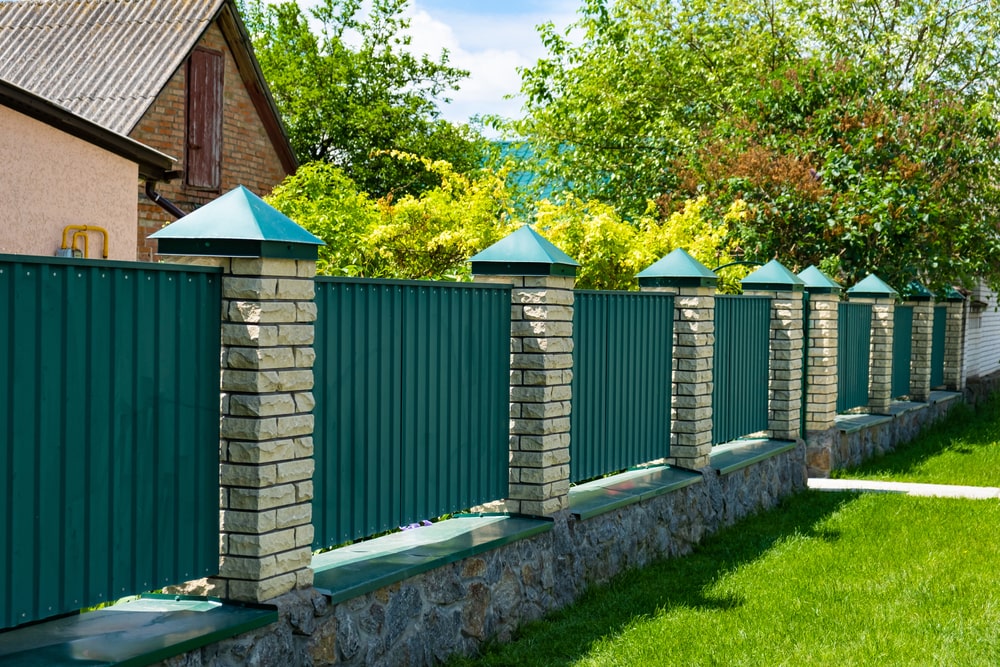
We often recommend choosing between traditional galvanized steel and color-coated vinyl. A vinyl coating, usually available in black, green, or brown, helps the fence blend into landscaping while adding a secondary shield against moisture.
Let’s compare these materials directly in the technical table below to help you determine the best fit for your home or business.
Technical Specifications and Material Comparisons
| Fence Option | Coating Material | Average Lifespan | Primary Benefit | Ideal Application |
|---|---|---|---|---|
| Standard Galvanized | Zinc coating | 15 to 25 Years | Lowest upfront cost | General residential boundaries |
| Vinyl-Coated (PVC) | Zinc + PVC vinyl | 20 to 30 Years | Rust protection and color options | Residential yards and parks |
| Stainless Steel | None (pure alloy) | 25 to 40+ Years | Extreme corrosion resistance | High-security or coastal areas |
According to a lifespan analysis by Qunkun Metal, PVC-coated chain link extends the typical service life by five to ten years compared to standard galvanized steel.
Important Pre-Installation Factors to Evaluate
Before you proceed with a fence installation, take some time to assess your specific property needs and local rules.
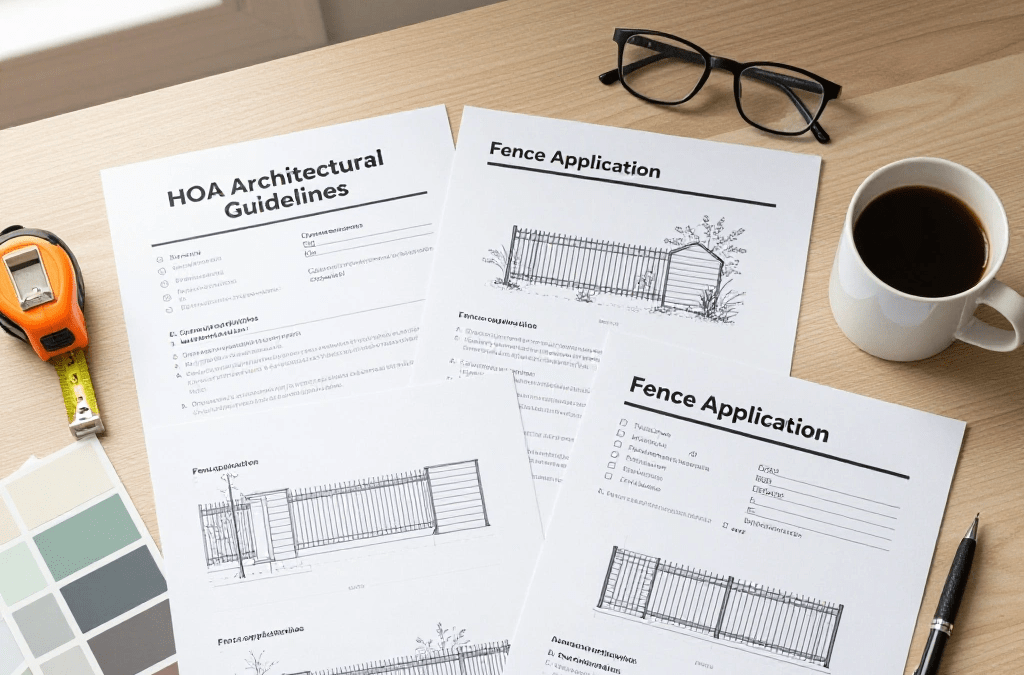
First, check your local building codes and Homeowners Association rules. Some neighborhoods restrict chain-link fences or require specific colors, such as black vinyl, to preserve the community aesthetic.
Second, consider your privacy needs. Traditional chain-link is open, but you can easily slide in plastic privacy slats later if your needs change.
Safety Tip: Always call your local utility marking service to map underground lines before digging post holes. This step avoids costly repairs and ensures safety during concrete pouring.

Summary of Key Takeaways
Chain link fences offer an unbeatable mix of affordability, strength, and simplicity. By choosing the right coating and wire gauge, you get a reliable perimeter that lasts for decades with almost zero maintenance. Carefully assess your property goals, budget, and local guidelines to choose the perfect configuration for your land.
Let Us Help You Protect Your Property
Are you ready to install a strong, reliable boundary for your home or business? We provide professional installation services customized to your budget. Contact Acme Fence today at (330) 784-0456 or email us at info@acmefence.com to get your free quote. Our expert team will help you select the ideal wire gauge and coating to ensure your new fence stands strong for decades, no matter the weather.
Frequently Asked Questions
How long does a standard chain link fence last?
A basic galvanized chain link fence typically lasts 15 to 25 years, while vinyl-coated options can easily reach 30 years or more with minimal maintenance in moderate climates.
Is chain link cheaper than wood fencing?
Yes, chain link is significantly more affordable. Wood installations generally cost 20% to 30% more due to higher material prices and more labor-intensive post-and-panel assembly.
Can I make a chain-link fence private?
You can easily install vinyl or plastic privacy slats into the mesh. These slats slide vertically into the diamond openings to block views while still allowing some wind flow.
Does a chain-link fence rust over time?
Standard galvanized steel is highly rust-resistant because of its protective zinc layer. In humid or coastal areas, choosing a vinyl-coated mesh provides excellent double-layer protection against corrosion.
What is the best wire gauge for residential yards?
For most residential yards, a 9-gauge or 11-gauge wire is ideal. It provides ample strength to support pets and children without the added cost of heavy commercial-grade metal.
Sources
- HomeAdvisor – Comprehensive national cost data and breakdowns for chain-link fence installations.
- American Fence Association – Professional fence industry trade organization providing durability guidelines and standards.
- Qunkun Metal – Technical analysis of steel wire coating lifespans and environmental resistance factors.