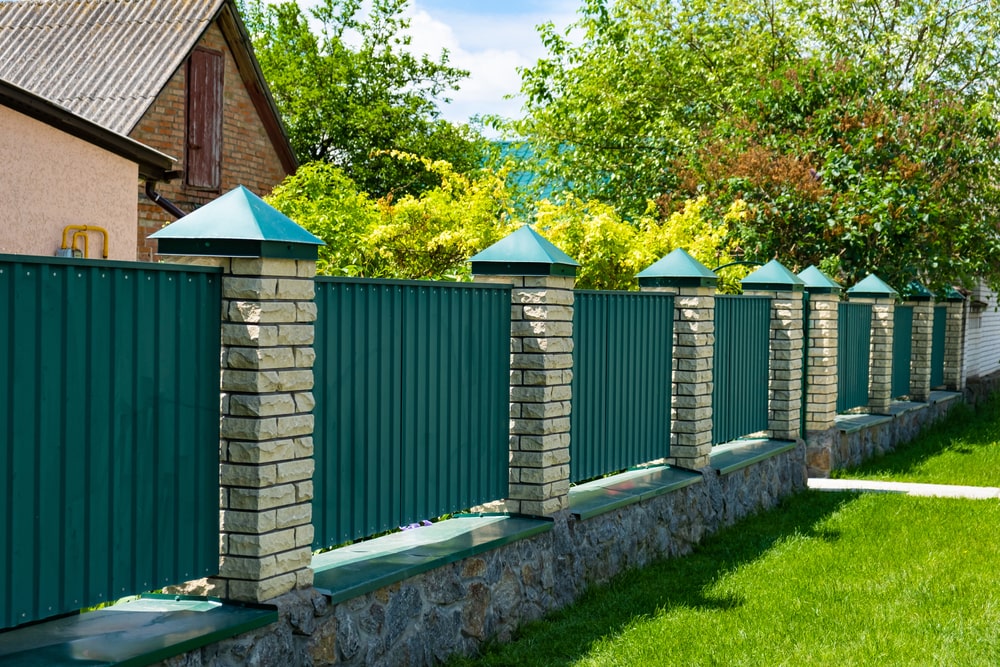


Aluminum fence installation stands out because it relies on lightweight, pre-assembled panels that easily adjust to uneven ground. Unlike wood or vinyl, which often require custom cutting or staggered placements on slopes, aluminum uses a rackable design. This means the fence rails can shift to follow the exact contour of your yard without leaving gaps at the bottom.
Setting up an aluminum system usually requires less specialized carpentry work compared to wood fencing. The open picket design also allows wind to pass right through the structure, reducing stress on the posts during heavy storms. We have spent years installing various materials and analyzing the structural demands of each fence type. This hands-on background gives us a clear view of how aluminum compares in fence material comparison guide in real-world conditions.
How Does Aluminum Assembly Compare to Wood and Vinyl?
Wood fences demand individual picket placement, precise measuring, and heavy lifting. Installers must secure each board manually with nails or screws that can eventually rust. As weather changes, wood boards can shrink or warp, forcing you to replace individual pieces to keep the fence looking presentable.
Vinyl panels arrive at your property pre-assembled but are completely rigid in their structure. If your yard has a slope, installing vinyl requires stepping the panels. This stepping method leaves awkward triangular gaps beneath the fence that pets can easily escape through. High winds can also snap rigid vinyl panels if they are not properly reinforced.
Aluminum panels arrive ready to attach directly to pre-punched posts. You simply slide the horizontal rails into the post holes and secure them with self-tapping screws. The lightweight nature of the metal greatly reduces physical strain during the job, similar to how vinyl fence systems simplify installation.
Bonus Tip for Sloped Yards: Always check the rackability rating of your chosen panels before buying materials. Standard aluminum panels rack up to ten inches, while heavy-duty options handle much steeper grades without requiring custom fabrication.
Analyzing Labor Time and Installation Costs
Beyond assembly methods, the total time required to put up a fence heavily influences the final bill you pay. Because aluminum goes up in complete sections rather than piece by piece, labor hours decrease significantly. Data published by HomeAdvisor indicates that homeowners spend significantly less on labor for aluminum compared to custom wood builds.
Chain link installs quickly but requires stretching the mesh fabric with specialized pulling tools. Vinyl needs reinforced posts with heavy metal inserts to prevent sagging over time. Aluminum avoids both the stretching process and the need for heavy internal post supports.
Unloading materials on site also takes less time with metal systems. A truck full of wood pickets takes hours to unload and organize. Aluminum panels are light enough for one person to carry multiple sections at once, which highlights efficient fencing installation practices in real jobsite conditions.
Bonus Tip for Material Delivery Stage your aluminum panels along the planned fence line before starting the digging process. This saves you from walking back and forth to the main supply pile during assembly.
Comparing Fence Material Installation Specs
| Material Type | Installation Speed | Slope Adaptability | Labor Intensity | Post Reinforcement Needed |
|---|---|---|---|---|
| Aluminum | Fast | High (Rackable) | Low | No |
| Wood | Slow | Moderate (Cut to fit) | High | No |
| Vinyl | Medium | Low (Stepped) | Medium | Yes |
| Chain Link | Fast | High (Stretched) | Medium | No |
4 Key Factors to Consider Before Making a Decision
You need to evaluate your property characteristics before ordering any materials. Soil condition plays a major role in how easily your posts can be set. Rocky ground or heavy clay makes digging difficult regardless of the fence type you select.
Property lines and utility placements dictate exactly where you can safely dig post holes. Always call your local utility marking service to locate underground pipes and wires. Finding a buried electrical line mid-project will bring your installation to an immediate halt and create safety hazards.
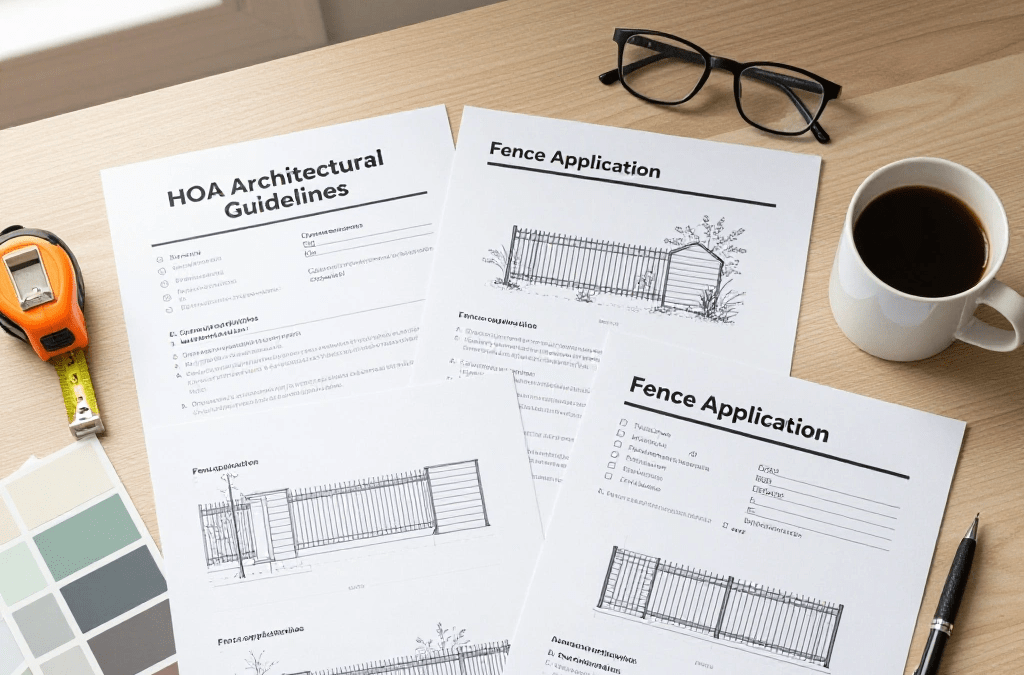
Homeowner association regulations often dictate specific styles, heights, and materials allowed in your neighborhood. Many associations prefer aluminum for its clean lines, uniform appearance, and open visibility. You must submit your plans for approval before mixing concrete.
Long-term maintenance directly offsets initial installation savings. A study on home improvement trends from Fixr highlights that while aluminum has a higher upfront material cost, its lifetime maintenance expenses are nearly zero compared to wood.
Bonus Tip for Post Setting: Use quick-setting concrete for your corner and gate posts first. Allowing these main anchor points to cure completely ensures your entire fence line remains straight and stable while you fill in the middle sections.

Current Market Trends Impacting Fencing Material Preferences
Homeowners increasingly prioritize low-maintenance building materials for exterior residential projects. Wood requires frequent staining, sealing, and eventual board replacement. Modern aluminum fences use advanced powder coating technology instead of wet paint to create a hard finish that resists chipping and fading over decades.
The American fencing market shows a distinct shift toward metal options. A recent industry report by Grand View Research notes that metal fencing segments are expanding rapidly due to rising demands in residential security and lasting aesthetics. People want boundaries that look good without taking up their weekends with maintenance chores.
Addressing Common Installation Concerns
Many property owners ask if they can mix fencing materials to save money on large projects. You can easily install an elegant aluminum fence across the front of your property for maximum curb appeal. You can then transition to a wood or chain link fence for the less visible backyard boundaries.
People also worry about how cold weather affects the installation process. Setting posts in freezing temperatures is difficult because the ground hardens and concrete cures much more slowly. We recommend scheduling your installation during milder seasons for optimal post stability and easier digging conditions.
Tree roots present another common obstacle during boundary planning. Large roots can force you to shift your post locations by several inches. Aluminum panels are easy to trim with a hacksaw, allowing you to shorten a section to accommodate an adjusted post layout without ruining the design.
Making Your Final Fencing Choice
Selecting the right fence depends on balancing your budget, yard topography, and maintenance preferences. Aluminum delivers a fast installation process and easily handles uneven ground. Wood offers total privacy but requires intense labor and ongoing upkeep. Vinyl provides clean aesthetics but struggles on steep slopes. Review your specific property layout and long-term goals to determine which system best fits your daily needs.
Get Your Free Fencing Estimate Today
Protecting your property starts with selecting the right materials and working with experienced professionals. At Acme Fence, we provide detailed site evaluations to match your specific layout with the perfect fencing system. We handle everything from securing permits to the final post cap installation. Contact us today to receive your free quote and discuss your project timeline. Reach out at (330) 784-0456 or emailinfo@acmefence.com. Let our team turn your backyard vision into reality.
Frequently Asked Fencing Questions
Do I need a permit to install a new fence?
Most municipalities require a building permit before you begin digging. You must submit your property survey and fence plans to your local zoning office for approval.
How deep should fence posts be buried?
Fence posts generally need to be buried at least one-third of the total post length. You must also dig below your local frost line to prevent the posts from heaving upward during winter freezes.
Can an aluminum fence be installed on a concrete patio?
Yes, you can install aluminum fencing directly on existing concrete surfaces. You will need special surface-mount brackets that bolt directly into the concrete rather than digging traditional post holes.
How long does a typical installation project take?
An average residential yard takes roughly two to three days to complete. Weather conditions, soil hardness, and overall property size all affect the final project timeline.
Does aluminum fencing provide any privacy?
Standard aluminum designs feature open pickets that do not block the view of your yard. If you need complete privacy, wood or solid vinyl panels are much better options for your property.
Sources
- HomeAdvisor – Cost data comparing labor rates for aluminum versus other traditional fencing materials
- Fixr – Industry analysis on the upfront material costs and long-term maintenance savings of metal fencing
- Grand View Research – Market research report detailing the growing residential demand for low-maintenance metal fencing products