
Before you install aluminum fencing, check your local property lines, municipal zoning codes, and underground utility locations. These three items dictate where your fence can legally sit and prevent potential damage to buried lines during the digging process. Failing to verify these details often leads to fines, forced fence removal, or costly utility repairs.
We have spent years installing fencing and watching homeowners rush into projects without adequate preparation. This article outlines the specific checks you need to complete to ensure your fence installation proceeds without legal or structural complications, especially when planning privacy fences for your property.
Confirming Your Property Boundaries
Property lines are rarely where you assume they are. Homeowners often rely on existing markers like old bushes, walls, or neighbor agreements, but these items are not legal proof of boundary lines.
Contact your local county clerk or land records office to obtain a recorded plat of survey. This document provides the official dimensions of your land. If you cannot locate an accurate, recent survey, you should hire a professional land surveyor, which is a critical step in privacy fence installation planning.
Building a fence on a neighbor’s property can lead to legal disputes and expensive removal orders. According to guidelines from Realtor.com, relying on physical markers or guesses creates high risks for boundary encroachment.
Understanding Local Zoning Requirements
Every municipality maintains specific ordinances that regulate fence height, style, and placement. These laws vary significantly from one town to the next.
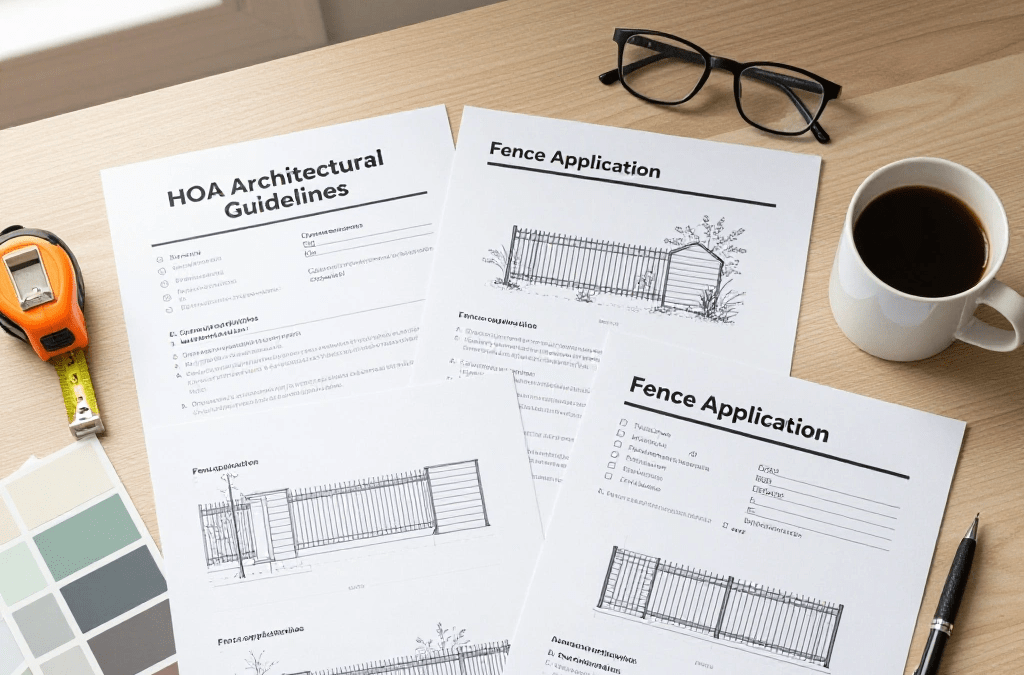
Check your local building department website or visit their office to review current residential fence codes. Common restrictions include:
- Maximum height limitations for front versus backyard fences.
- Requirements for open-style fencing in front yards.
- Setback requirements dictate how far the fence must sit from the property line.
- Restrictions on fence materials or specific color palettes.
Violating these rules results in costly teardowns or non-compliance fees. A report from Angi explains that ignoring permit requirements often causes significant delays when you eventually try to sell your home.
Locating Underground Utilities
Never begin digging without first verifying the location of underground utility lines. Hitting a gas, electric, or fiber optic line creates immediate danger and carries severe financial penalties, so always before starting excavation.
In the United States, you must call 811 before any excavation. This service connects you with local utility companies. They will come to your property and mark the locations of buried lines with flags or spray paint.
The Common Ground Alliance emphasizes that dialing 811 is the only way to ensure you know what lies beneath your grass. Do not assume older utility maps are accurate.
Factors to Consider Before Making a Decision
Choosing aluminum fencing requires evaluating how you intend to use your outdoor space. Aluminum offers high durability and minimal maintenance, but you must select the right specifications for your household.
Consider these factors before finalizing your product choice:
Functionality and Security Needs
Aluminum provides a sleek, modern appearance, but the spacing between pickets varies. If you have small pets or children, you need a configuration that prevents them from slipping through the bars.
Standard residential spacing is typically 4 inches, but tighter “puppy picket” options are available. These feature narrower gaps at the bottom to secure small animals.
Grade of Material
Manufacturers offer different grades of aluminum, ranging from residential to industrial. Residential grade is often sufficient for home perimeters, but you should choose a heavier gauge if you experience high winds or anticipate the fence will endure significant physical impact, as discussed in fence material strength comparison guides.

Terrain and Slope Adjustments
Aluminum fence panels are rigid. They do not bend to match uneven ground as easily as chain-link fencing. You must decide whether to use “rackable” panels, which adjust to slopes, or “stepped” installations, where each panel sits level but at a different height from the next.
The following table summarizes common considerations for different fencing priorities:
| Priority | Feature to Check | Benefit |
|---|---|---|
| Security | Picket Spacing | Prevents pet escapes |
| Durability | Metal Gauge | Resists impact and wind |
| Aesthetics | Coating Type | Prevents rust and peeling |
| Terrain | Panel Style | Ensures level installation |
Addressing Common Questions
Homeowners often express concern regarding maintenance and longevity. Aluminum does not rust like wrought iron, but it does require occasional cleaning. Use a mild soap solution and a soft cloth to remove grime and debris buildup.
Another frequent question involves the life expectancy of the material. Powder-coated aluminum is designed to withstand decades of exposure to the elements. High-quality finishes protect the metal from oxidation in humid or coastal climates.
Final Considerations for Your Project
Installing an aluminum fence improves both the security and aesthetic quality of your property when planned carefully. Success depends on verifying your legal boundaries, following municipal codes, and ensuring you know the exact location of underground lines. Take time to evaluate your specific needs, such as pet security or terrain slope, before purchasing materials. Your goal is to create a long-term addition to your home that complies with all regulations and serves your household’s needs.
Professional Installation Assistance
We understand that coordinating surveys, permits, and utility markings feels like a significant task. Our team at Acme Fence provides guidance on installation layouts and ensures every project meets safety and code standards. We are here to help you navigate the process from initial measurement to final post-setting. If you want to discuss your property layout or request a free quote, please contact us at (330) 784-0456 or send an email toinfo@acmefence.com.
Frequently Asked Questions
Does an aluminum fence add value to my home?
Yes, a well-installed, high-quality fence often improves curb appeal and creates a private, secure environment. Buyers prioritize these features, potentially increasing property attractiveness.
Can I install the fence myself?
While possible for experienced homeowners, professional installation ensures the fence remains level and meets all local code requirements. Mistakes in alignment or setting posts can reduce the fence’s lifespan.
Is a building permit required for aluminum fences?
Most municipalities require permits for fence construction. Check with your local building department before starting to avoid stop-work orders or fines.
How do I maintain an aluminum fence?
Cleaning it once or twice a year with soapy water is usually sufficient. This removes dirt and environmental contaminants that can dull the powder-coated finish over time.
What happens if I hit a utility line?
Hitting a line creates safety hazards and can result in significant repair bills and service interruption fees. Always confirm utility locations through 811 before starting any digging.
Sources
- Realtor.com – Provides expert guidance on locating property boundaries and why physical markers are often unreliable.
- Angi – Explains the importance of adhering to local zoning laws and permit requirements to avoid future complications.
- Common Ground Alliance – The national authority on underground utility safety, emphasizing the requirement to call 811 before any digging projects.