
Aluminum fencing provides an exceptional balance of long-term durability, minimal maintenance, and clean, modern aesthetics. Unlike wood or steel, it does not rot, decay, or rust over time, making it one of the most reliable options for property boundaries. While it requires a higher initial investment than chain-link or standard wood fencing, its virtually nonexistent upkeep costs make it highly cost-effective over its lifespan. These aluminum fence benefits make it a popular choice for homeowners seeking a durable and attractive perimeter solution.
Selecting the perfect perimeter barrier requires a clear understanding of how different options perform over time. Acme Fence helps property owners weigh these options daily, ensuring you invest in a solution that fits your specific needs. This guide compares aluminum with other standard materials to help you make an informed decision.
Evaluating Aluminum Against Traditional Fence Materials
Wood remains a popular option for homeowners seeking classic natural beauty and complete privacy. However, wood requires regular staining, painting, and sealing to protect against moisture, insects, and warping. Aluminum does not warp or decay and never requires painting due to its protective powder coating, making it a strong choice for pool safety fencing where durability and low maintenance are essential.
Vinyl offers excellent privacy and requires very little maintenance compared to wood. However, vinyl can become brittle in extreme cold or expand in intense summer heat, which can sometimes lead to cracking. Aluminum remains stable across all temperature ranges, maintaining its structural integrity without warping.
Bonus Tip: If you love the look of dark fencing but live in an area with harsh seasonal temperature swings, aluminum is far more structurally stable than dark vinyl, which can warp under intense sunlight.
Wrought iron and steel offer unmatched security and structural strength but are highly susceptible to rust. They require periodic scraping and repainting to prevent corrosion, especially in humid environments. Aluminum naturally resists corrosion, meaning it will not rust even when exposed to constant moisture or rain.
Chain link is highly functional and represents the most budget-friendly option for simple containment. However, it lacks the decorative appeal and elegant profile of ornamental aluminum. While chain-link fencing can look industrial, aluminum panels enhance the overall curb appeal and market value of your property through aluminum fence designs that combine style with long-term durability.
Material Specifications and Performance Metrics
When selecting a fence, comparing performance metrics highlights the long-term value of your investment. A report on global materials from Cognitive Market Research indicates that the rising preference for low-maintenance, weather-resilient building products is driving a major shift toward metal and composite alloys.
The comparison below outlines how aluminum fares against alternative options in key operational areas.
| Material Type | Average Lifespan | Upfront Cost | Maintenance Level | Best Use Case |
|---|---|---|---|---|
| Aluminum | 50+ Years | Moderate to High | Very Low | Sloped yards, pools, decorative boundaries |
| Wood | 15 to 20 Years | Low to Moderate | High | Full privacy, classic residential looks |
| Vinyl | 20 to 30 Years | High | Low | Low-maintenance privacy, boundary marking |
| Steel / Iron | 30 to 40 Years | Very High | Moderate to High | High-security zones, heavy-duty perimeters |
| Chain Link | 15 to 20 Years | Low | Low | Large acreage, simple containment |
As noted by the U.S. Census Bureau, residential building completions continue to rise, prompting more property owners to prioritize materials that offer long-term durability. Investing in a long-lasting material helps avoid the cycle of frequent repairs and early replacements.
How Do Environmental Factors Impact Your Choice of Fence Material
Local weather patterns play a major role in how well your boundary holds up over time. Wet climates rapidly degrade standard wood and steel, leading to rot and rust. Aluminum handles moisture effortlessly, making it the preferred choice for areas surrounding swimming pools or properties in rainy regions.
Soil conditions and shifting ground also affect structural stability. Wood posts can rot below the soil line if water pools around the concrete footings. Acme Fence installs aluminum posts with protective coatings that guard against underground moisture damage.
Bonus Tip: When installing on uneven ground, choose a rackable aluminum fence system. These panels adjust easily to match the slope of your yard, eliminating gaps at the bottom without requiring custom stepping.

Key Factors to Evaluate Before Selecting Your Boundary Style
Before committing to a specific material, you must define the primary purpose of your new perimeter. If complete visual seclusion is your main goal, a solid vinyl or wood barrier is generally your best option. Aluminum is open by design, offering security and clear views rather than total privacy.
You should also calculate the total cost of ownership rather than focusing solely on the initial installation price. A cheaper wood barrier might save money today, but the ongoing costs of sealants, replacement boards, and labor over 15 years often exceed the one-time cost of an aluminum installation.
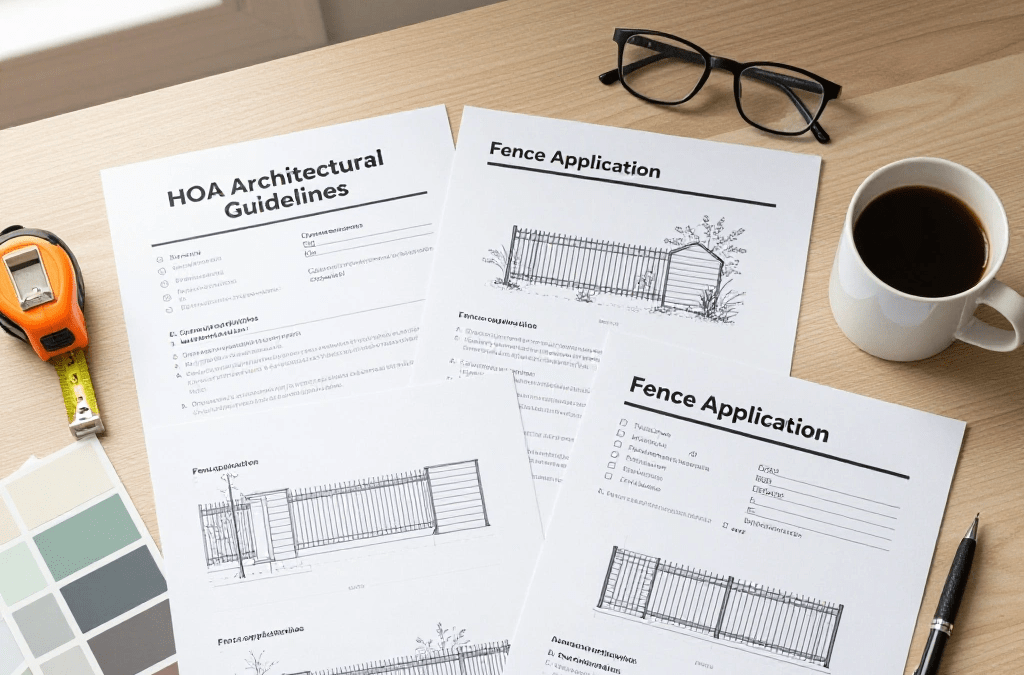
Bonus Tip: Always check your local Homeowners Association guidelines before purchasing. Many neighborhoods restrict the use of chain-link fencing or bright vinyl but actively encourage ornamental aluminum fencing due to its upscale appearance.
Summary of Fencing Selection Principles
Choosing the right fence material comes down to balancing your immediate budget with your long-term maintenance expectations. Wood and chain link offer lower entry costs but require more upkeep or lack aesthetic appeal. Vinyl gives you great privacy, while steel offers heavy-duty security. Aluminum stands out as the ultimate low-maintenance, lifetime-durability solution for residential and commercial owners who want to enjoy their yard without worrying about rot, rust, or paint. We recommend evaluating your specific property layout, local climate, and aesthetic goals to choose the perfect fit.
Request Your Free Fencing Quote Today
Are you ready to upgrade your property with a beautiful, durable boundary? Our experienced team is here to provide professional advice and expert installation. Reach out to Acme Fence today by calling (330) 784-0456 or emailing info@acmefence.com. Our consultation is free, and we will guide you through the selection process and provide a detailed, free quote tailored to your project.
Frequently Asked Questions
Can aluminum fencing be used for pool safety?
Yes, aluminum is highly recommended for pools because it resists corrosion from water and complies with standard pool safety codes regarding picket spacing and self-closing gates.
Does aluminum fencing rust over time?
No, aluminum does not contain iron, which means it cannot rust even when exposed to heavy rain, lawn sprinklers, or pool chemicals.
Is aluminum fencing strong enough to contain large dogs?
Yes, high-quality aluminum panels are sturdy and secure, though you should choose appropriate picket spacing to prevent smaller pets from slipping through the gaps.
How do you clean an aluminum fence?
You only need to spray the panels occasionally with a garden hose and wipe away loose dirt with mild soap and water to keep them looking new.
Can aluminum fences be adjusted for sloped yards?
Yes, rackable aluminum panels are designed to follow the natural contour of sloped ground, maintaining a consistent bottom gap rather than stepped gaps.
Sources
- Cognitive Market Research – Industry report detailing global metal fencing market dynamics, material properties, and consumer demand trends.
- U.S. Census Bureau – Government database tracking housing completions and growth in construction activity.