
Aluminum fencing provides a superior return on investment through durability, minimal maintenance, and aesthetic longevity. While the upfront price might exceed that of wood or chain link, the absence of repair costs and replacement fees makes aluminum the most financially sound choice over twenty years. Acme Fence emphasizes that for property owners prioritizing both security and curb appeal, aluminum outperforms traditional materials by eliminating the need for painting, staining, or rust removal, especially when compared to ongoing maintenance in chain link fencing systems. This article examines the specific financial and practical advantages that justify the initial expense.
Durability and Material Science
The core value proposition lies in the material’s resistance to corrosion. Unlike iron or steel, aluminum does not rust. This natural resistance is enhanced by a powder-coating finish, creating a hard barrier against moisture and UV rays. This protective layer ensures the fence maintains its structural integrity and color for decades. Wood fences are susceptible to rot, insect damage, and warping, while steel fences eventually succumb to rust if the paint is scratched. Aluminum remains impervious to these common issues.
Data support the growing preference for this resilience. A report from Grand View Research highlights the shift toward aluminum in the fencing market, driven largely by its durability and cost-effectiveness over the lifecycle of the product compared to alternative materials.
Cost Comparison Over Time
A simple comparison of materials reveals why aluminum wins in the long run. Homeowners often look only at the initial installation cost, but the true cost includes maintenance and replacement.
| Material | Initial Cost | Maintenance Cost | Lifespan |
|---|---|---|---|
| Wood | Low/Medium | High (Staining/Painting) | 10-15 Years |
| Chain Link | Low | Medium | 15-20 Years |
| Vinyl | Medium | Low | 20-30 Years |
| Aluminum | Medium/High | Very Low | 30+ Years |
The table above illustrates that while aluminum requires a higher initial outlay, the long-term savings are substantial. Wood fences typically demand staining or painting every two to three years. These costs add up quickly, not to mention the labor involved. Vinyl is a strong competitor, but it can become brittle in extreme cold or crack upon impact, whereas aluminum remains a preferred choice in security fencing solutions due to its strength and resilience. Aluminum remains flexible and strong across various temperature extremes.
Bonus Tip
Acme Fence suggests paying close attention to the grade of aluminum used. Residential grade is suitable for most homes, but high-traffic areas or pool enclosures may benefit from thicker, industrial-grade aluminum to prevent dents from accidental impacts.
Performance in Various Climates
Regional climates play a significant role in fencing performance. In coastal areas where salt spray is a constant threat, aluminum is the preferred choice over steel, which rusts rapidly in these conditions. The powder coating on aluminum acts as a sealant against the salt air. In regions with heavy snowfall, aluminum fences allow snow to pass through the pickets. This design reduces the pressure on the fence panels compared to solid wood or vinyl privacy fences, which can collapse under the weight of a snow drift, a factor often discussed in privacy fence design considerations for different climates.
According to Angi, aluminum fencing is frequently cited by contractors as a top choice for regions experiencing severe weather fluctuations due to its ability to expand and contract without warping.
Maintenance Requirements
The most attractive feature for busy homeowners is the lack of maintenance. A simple spray with a garden hose usually removes dirt and debris. There is no need to purchase expensive stains, sealants, or rust removers. This “install and forget” nature frees up time and budget for other home improvement projects. Unlike wood, aluminum will not attract termites or carpenter ants. It does not require yearly inspections for rotting posts at the ground level.
Consumer preference data confirms the value of this low maintenance. HomeAdvisor reports that homeowners consistently rate aluminum as one of the best value fencing options when considering the total cost of ownership, specifically noting the lack of maintenance requirements as a primary deciding factor.

Things to Consider Before Making a Decision
Before purchasing a fence, evaluate these pre-decision factors to ensure the investment fits the specific property.
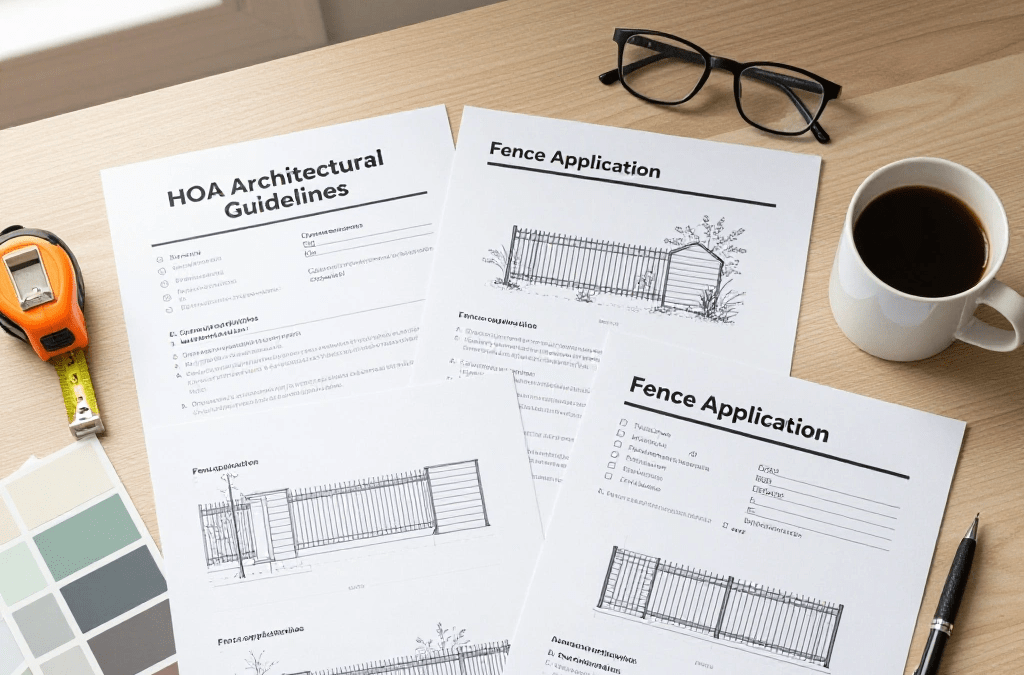
- HOA Regulations: Check neighborhood bylaws for restrictions on fence height, style, and color. Many aluminum styles mimic wrought iron, which fits historic district codes better than vinyl.
- Purpose of the Fence: Determine if the goal is purely decorative, for containing pets, or for pool safety. Aluminum grades vary based on use, and pool codes often require specific spacing between pickets.
- Terrain and Slope: Aluminum fencing is rackable, meaning the panels can adjust to follow the slope of a hill. This is a significant advantage over pre-assembled wood panels, which must be stepped.
Bonus Tip
When planning the layout, consider the gate placement. Gates are the moving parts that experience the most stress. Ensure heavy-duty hinges and hardware are selected to match the longevity of the fence panels.
Conclusion
Aluminum fencing stands out as a smart long-term investment by balancing initial cost with decades of reliable service. The material offers superior resistance to weather, eliminates the burden of maintenance, and retains property value through consistent aesthetic appeal. Property owners should evaluate specific needs like climate exposure and local regulations, but the long-term financial savings and durability make aluminum the logical choice for most fencing projects.
How to Get Started
To explore the best aluminum options for a specific property layout or budget, reach out to Acme Fence. Our team provides detailed estimates and design advice tailored to local climate conditions. Contact Acme Fence at (330) 784-0456 for a consultation regarding fencing solutions.
FAQS
Is aluminum fencing strong enough for large dogs?
Yes, aluminum fencing is significantly stronger than it looks. For large or aggressive dogs, choose a style with horizontal rails and closer picket spacing to prevent squeezing through. The material itself is rigid and difficult to bend under normal pressure.
Will the fence rust near swimming pools?
No, aluminum is ideal for pool areas because it handles chlorine and saltwater exposure without corroding. This makes it a superior choice over steel for enclosures around pools or spas.
How does the cost of aluminum compare to that of wrought iron?
Aluminum is generally less expensive than wrought iron. While wrought iron offers immense strength, it is heavy, requires regular maintenance to prevent rust, and is labor-intensive to install. Aluminum provides the look of wrought iron at a lower price point with zero maintenance.
Are aluminum fences easy to repair?
Yes. Most aluminum fences use a bracketed system rather than welding. If a section is damaged by a vehicle or falling branch, individual pickets or entire panels can be unscrewed and replaced without needing to dismantle the entire fence line.
What happens if a picket gets bent?
Aluminum pickets are flexible rather than brittle. Minor bends can sometimes be bent back into place. For severe damage, the modular design allows for the replacement of single pickets, making repairs straightforward and inexpensive.
Sources
- Grand View Research – Market analysis report detailing the growth of the metal fencing industry and consumer preferences for durable materials.
- Angi – Home improvement resource providing cost guides and contractor insights on fencing materials and weather resistance.
- HomeAdvisor – Platform offering data on home improvement costs and homeowner ratings regarding the value and maintenance of various fencing types.